Apr 05 2014

Japan 2014

By Mark Beresford

Face masks

I’ve always been fascinated by people wearing face masks in Japan. You don’t see it in western culture, except for people who are very ill, but it makes a lot of sense. With Tokyo being so crowded it’s easy to spread germs. It’s considered polite to wear a face mask if you’re sick, and perfectly acceptable to wear one if you don’t want to get sick or have allergies. These pictures were all taken near Shinjuku station, one of the busiest stations in the World.
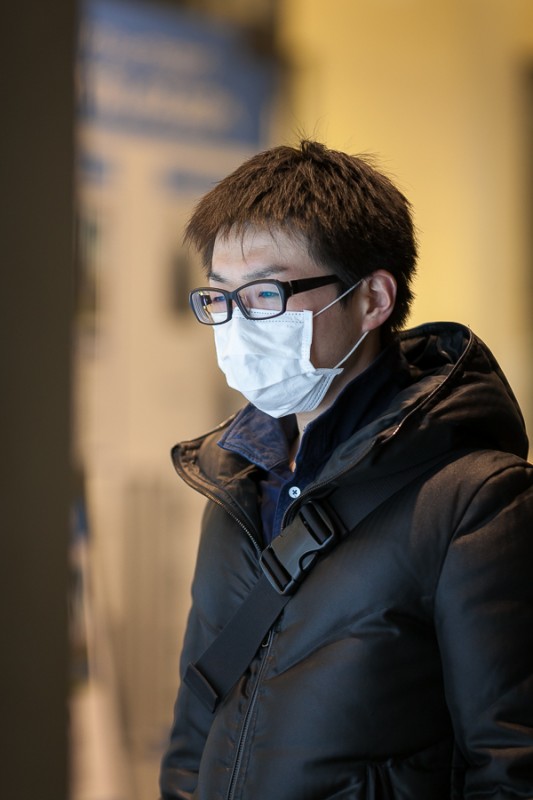
Face mask wearing has increased in recent years. In fact, it’s become fashionable. About 30% of people wearing face masks say they are doing so for reasons other than health.
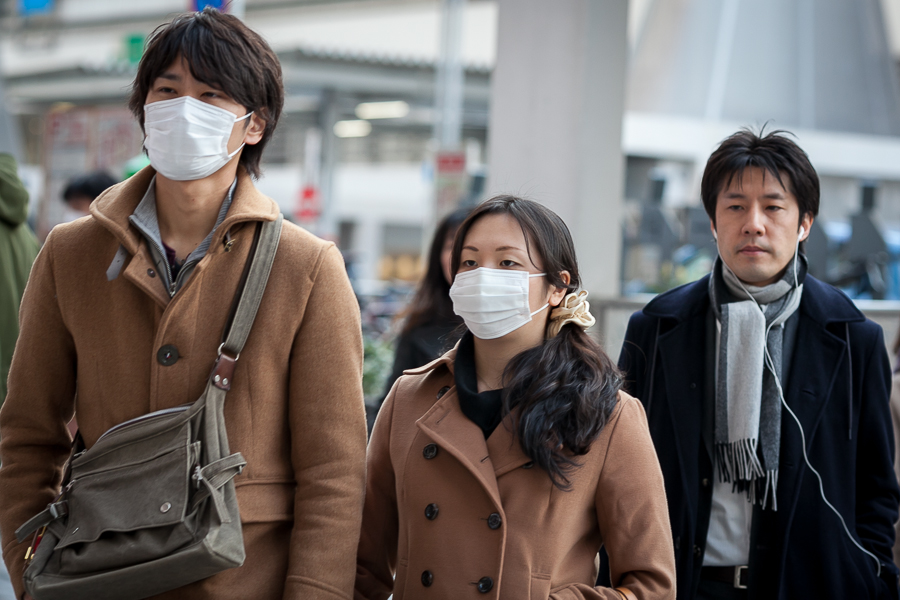
The top non-health reasons for wearing face masks are:

  • They are not wearing any make-up and want to hide their face.
  • They want to keep their face warm.
  • They want to make their face look small.
  • It is comforting.
  • It makes them look mysterious or cute.

Other theories are that young people wear masks to avoid standing out in a crowd, as that’s not the Japanese way, or because it is a barrier that makes social interaction easier for a generation used to communicating with email and enjoying computer software friends. Whichever it is, the Japanese are able to make face masks blend in with their very stylish dress. I love how they pay great attention to their appearance – almost everyone looks so beautifully turned out that just walking down the street looking at people is a treat.

Tsukiji Fish Market

Kaori and I arrived at the Tsukiji Fish Market by 4am so that we would be among the 120 people who are allowed to see the tuna auction each day. It was very cold and we waited for 90 minutes before we were marched off in single file to the auction site.

The tuna arrive frozen with no heads or tails. They lie there in state while the buyers walk around hitting their flesh with hooks while taking notes.
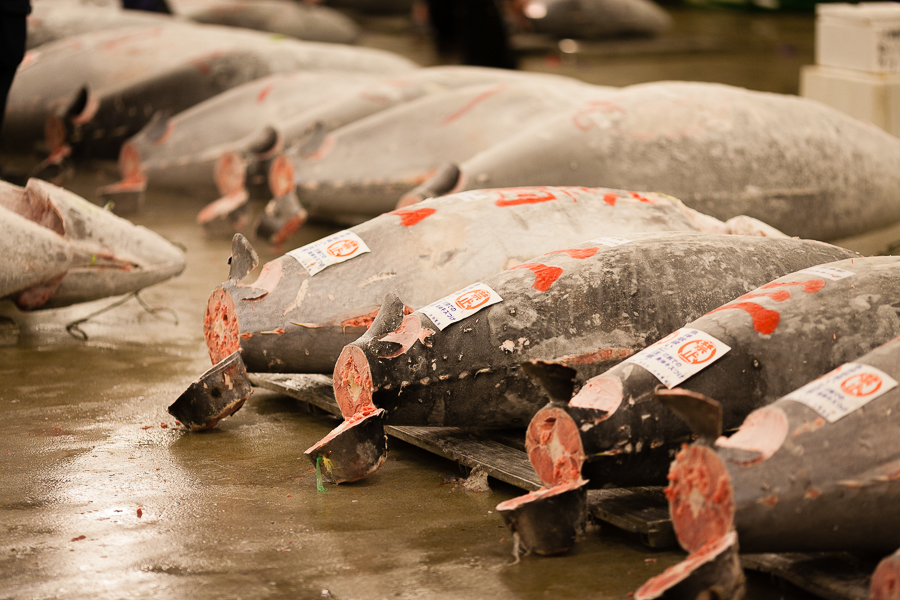
Slices are carefully inspected with lights and details recorded.
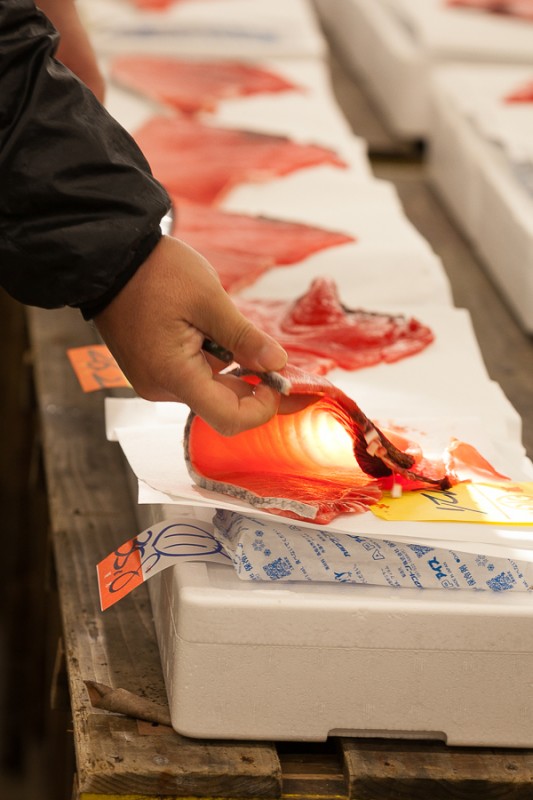
Then, the auction begins. The tuna in the photo below are among the smaller ones being auctioned off. We didn’t really understand the process they were using because there weren’t lots of people standing around winking or raising their hands, but could see when one was purchased because it was dragged off with a hook on a pole.
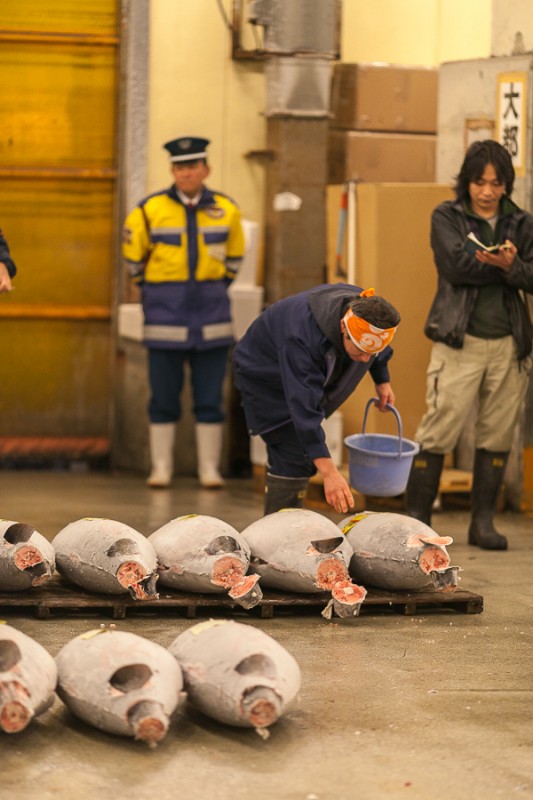
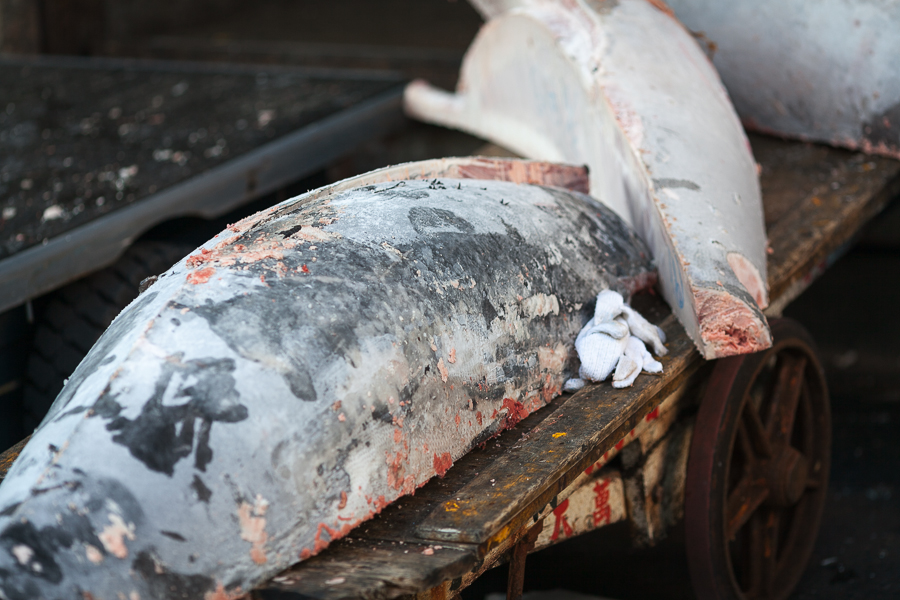
Some of the fish were then sawn up and loaded into crates for transport.
Outside the fish market it was very cold so early in the morning. It was also very dangerous. The whole market swarmed with small electric carts travelling at high speed. The tourists are watching, but the people driving the carts are working and time is money, so the carts zoom by fast and close making it risky to be out in the street.
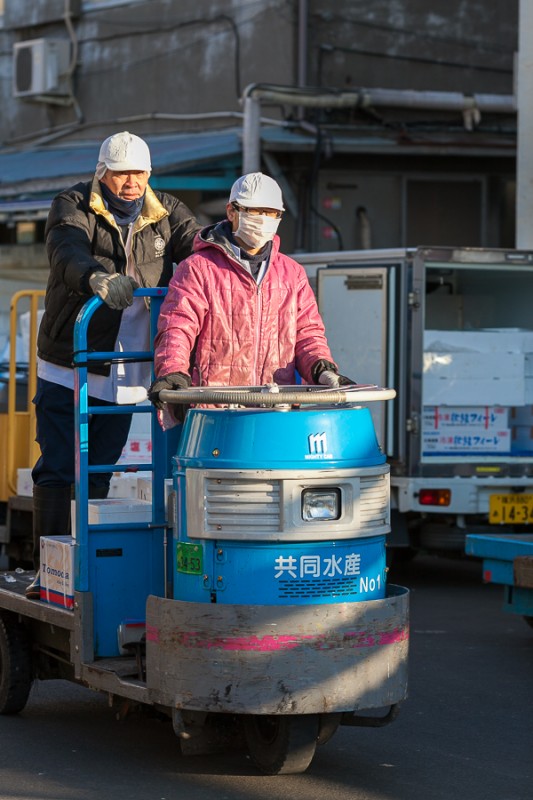
As well as electric carts, there are lots of vans, scooters, motorbikes, and bicycles going in every direction. It’s very chaotic and you have to move slowly and deliberately keeping your wits about you at all times if you want to get out alive.

Meiji shrine
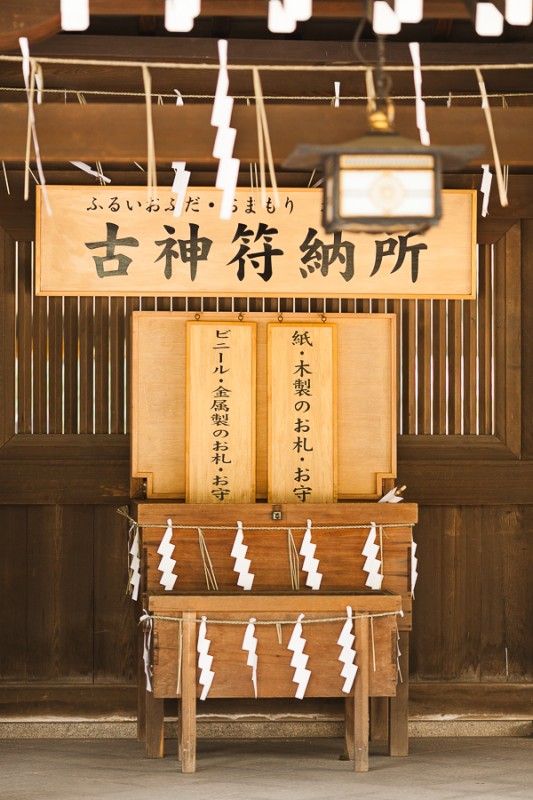
This man was sitting very still inside a building with windowless openings. It seemed as though he was guarding something. The joe silk robe and tate-eboshi hat that he’s wearing, along with the shaku ritual baton that he’s carrying, suggest that he’s a Shinto priest, also called Kannushi.

Food

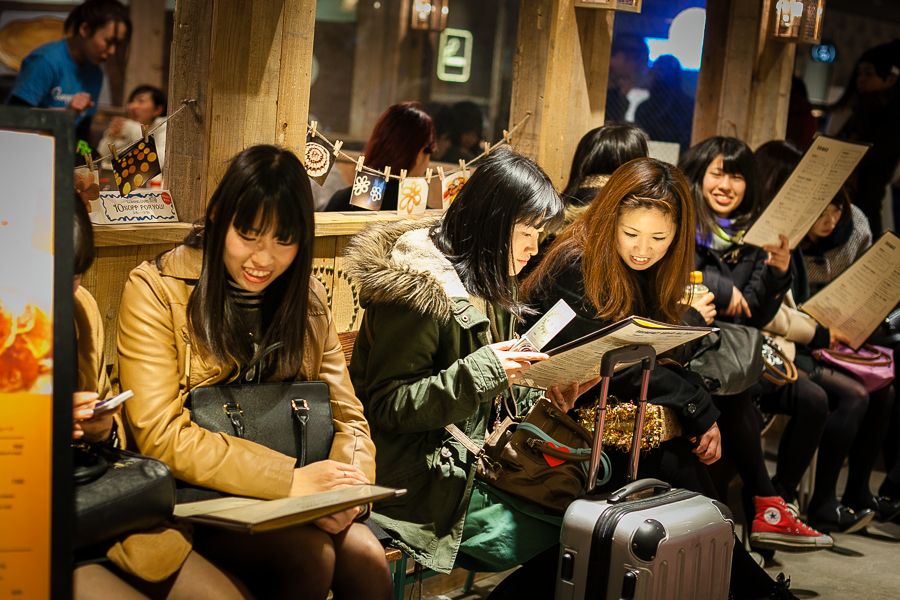
Food is a Japanese obsession, and it’s no wonder because the Japanese are very social and the food is so fresh and delicious. Japanese youths always seem to travel in groups and young women love to eat out together. This group is waiting for tables to become available in one of the restaurants upstairs in a Tokyo department store.
However, this group of older women weren’t having so much fun, despite the name of the restaurant in big letters on the wall.

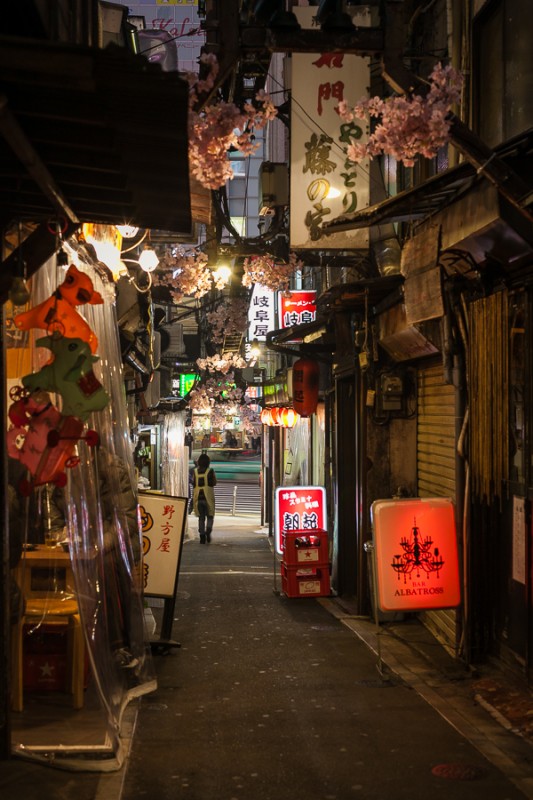
I really wanted to eat with the working class locals in Tokyo and persuaded Kaori to go down this alleyway near the Shinjuku railway bridges where there are numerous cramped restaurants where you sit at a bar and eat Tokyo style bar food.
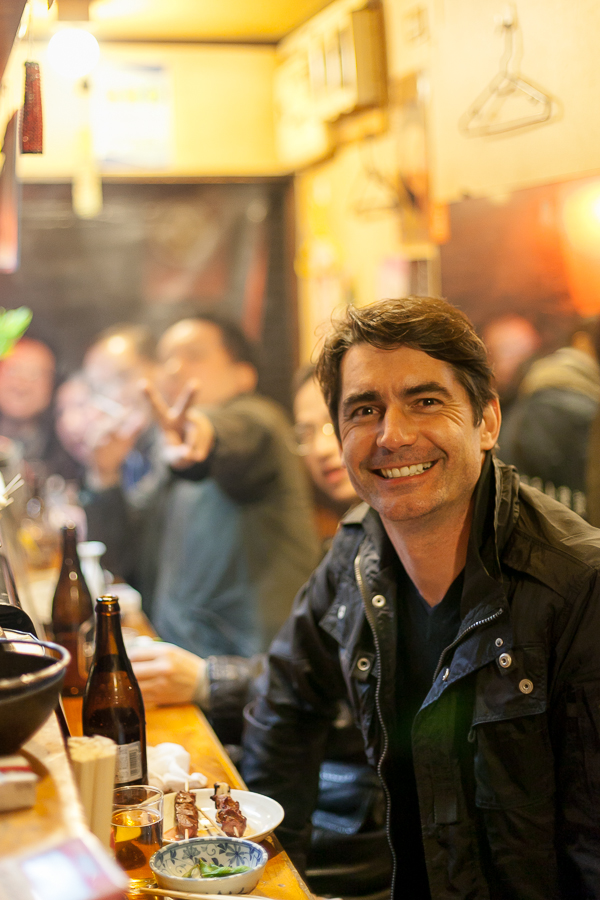
We ate a variety of meat kebabs, including chicken heart, liver, and beef tongue. I made some friends who enjoyed the gaijin from the UK, and showed me how to drink warm sugar cane shochu with a salted plum in the bottom. Shochu is a kind of sake except that it’s distilled instead of fermented like most sake that you can buy in the West.
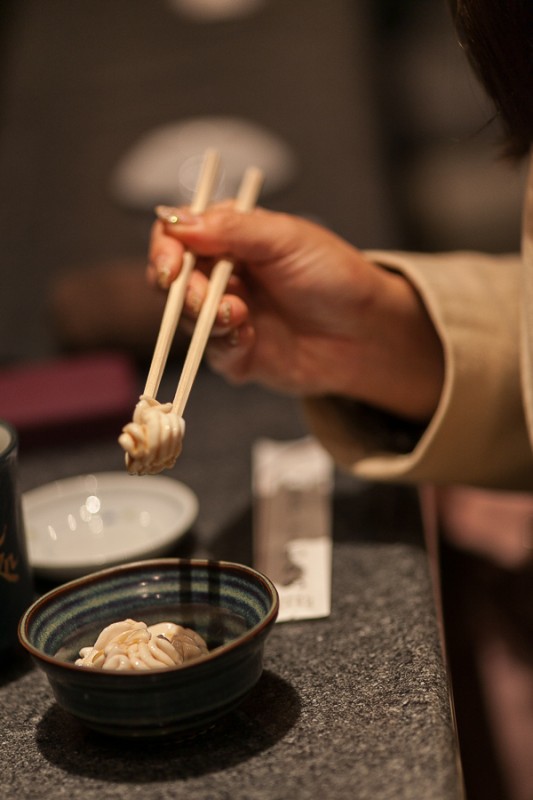
While we were at the fish market, we dived in out of the cold to have some sushi breakfast. Here’s Kaori tucking into fresh fish shirako (sperm).
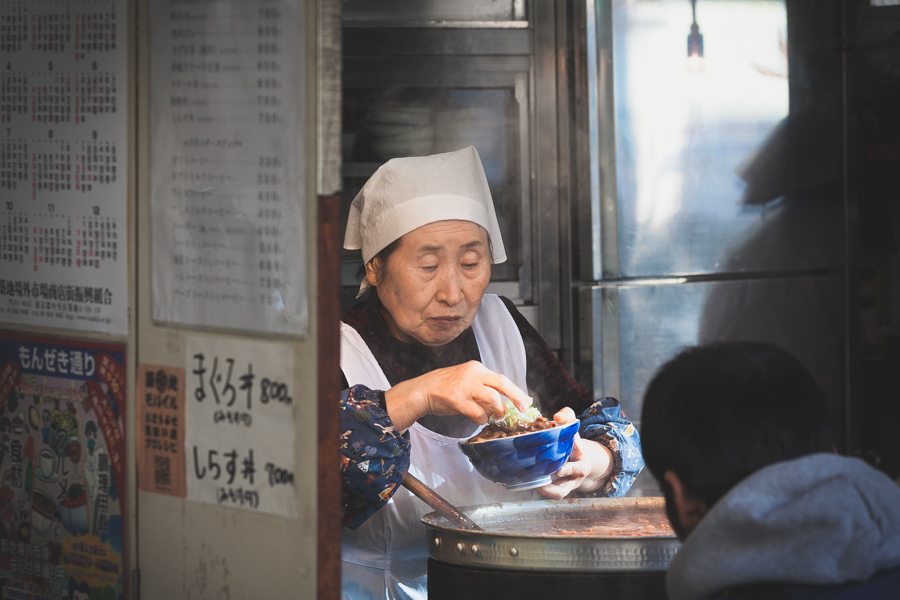
On the edge of the fish market are food stands with tiny counters that feed the people who work there. There’s the most wonderful smell of dashi and noodles as you walk by.
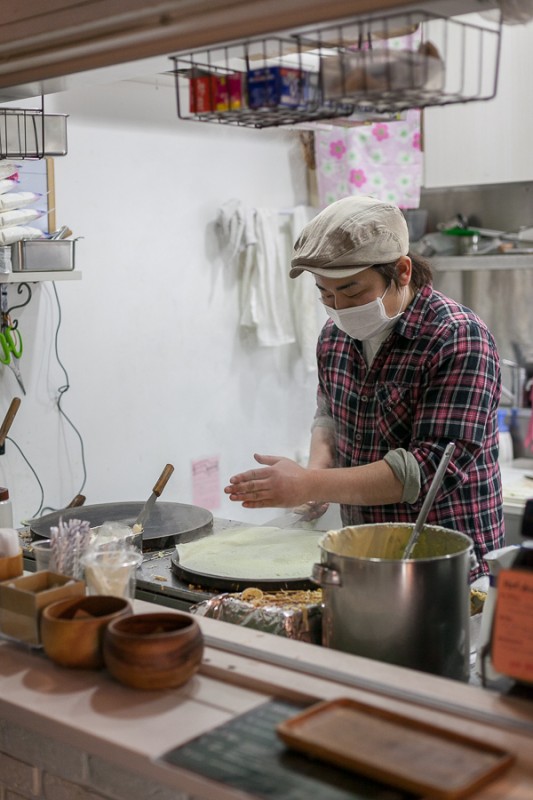
We were feeling very hungry at the end of one day just before we caught the train back to Kaori’s parents, and the smell of this little crepe kiosk was impossible to resist. We each had a delicious crepe with fillings, folded up into a cone for one-handed eating. It’s rare to see people eating on the street in Japan, but an exception seemed to be made for these.
Asakusa

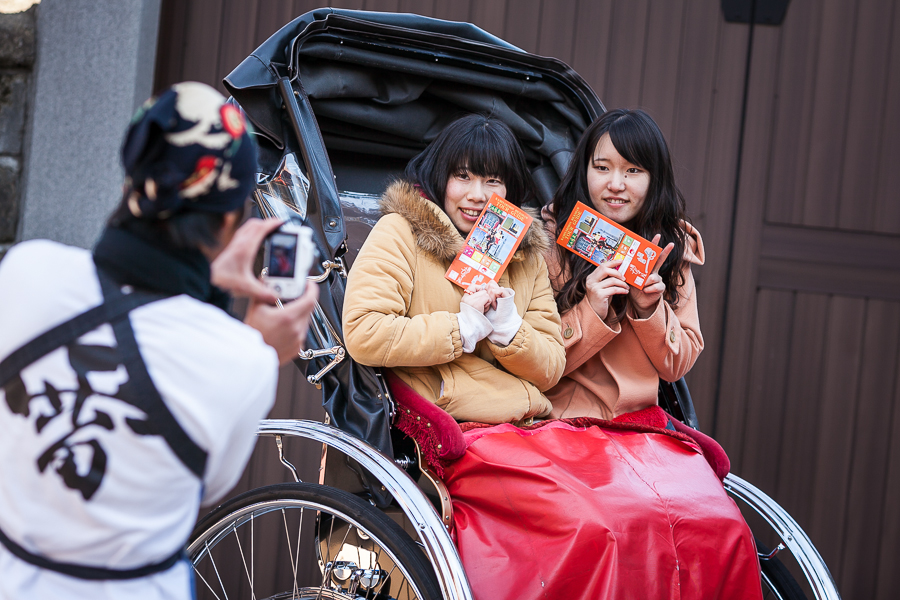
Asakusa has one of the best known temples in Japan. But I enjoyed the rickshaws that were giving people rides around this historical monument more. This lady was having fun taking a corner at speed.

And this scene was perfect for someone who likes to take photos of people having their photo taken.
Trains

We spent a lot of time on trains in Tokyo. Sometimes it’s fun.

and at other times it’s very crowded and stressful. When it’s really busy you have to jump on and push your way in to avoid being trapped in the doors.

Dressing up

The Tokyoites do love to dress up. From high fashion to cosplay (costume play) you’ll see it everywhere in Tokyo. This street vendor specializes in maid costumes.
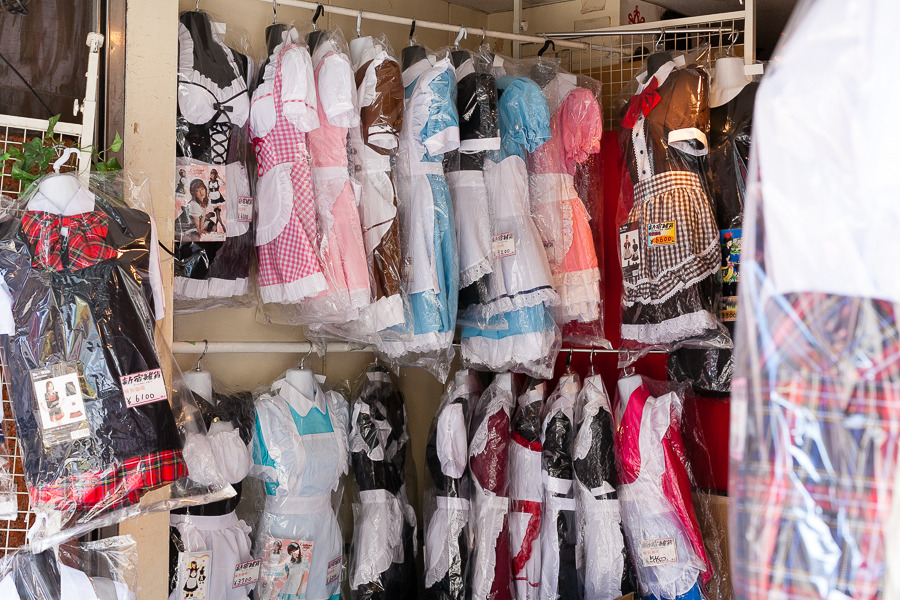
And you still see quite a lot of traditional Japanese clothing being worn.
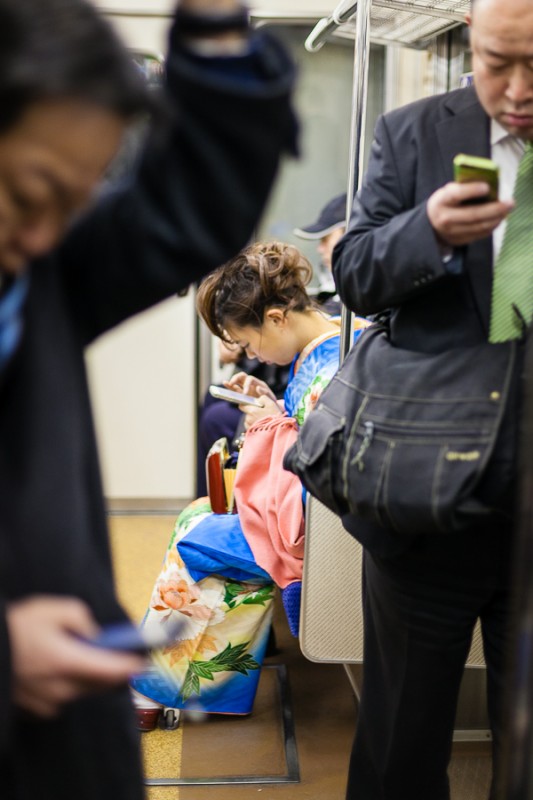
Kimonos are worn by elegant older ladies.

As well as by the young and fun.

Architectural style

When it comes to architectural style, let’s just say that the capital of Japan is the opposite of the capital of France.
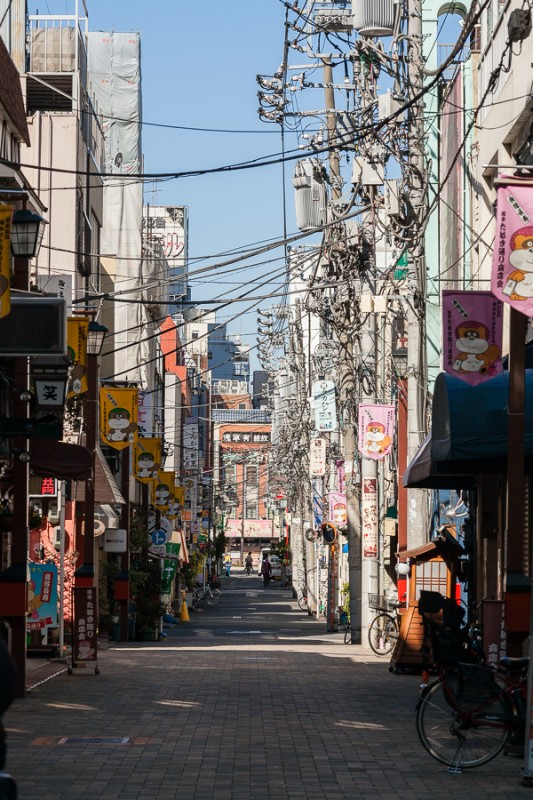
Overhead wires are just part of the urban scenery. One person told me that this is so that they are easier to repair in the event of an earthquake. But actually, Tokyo has started to bury its power lines because power poles fall down in earthquakes making it very difficult to get around to rescue people.

At night, the neon in the major areas of the city takes over, and does have a beauty of its own.

Family
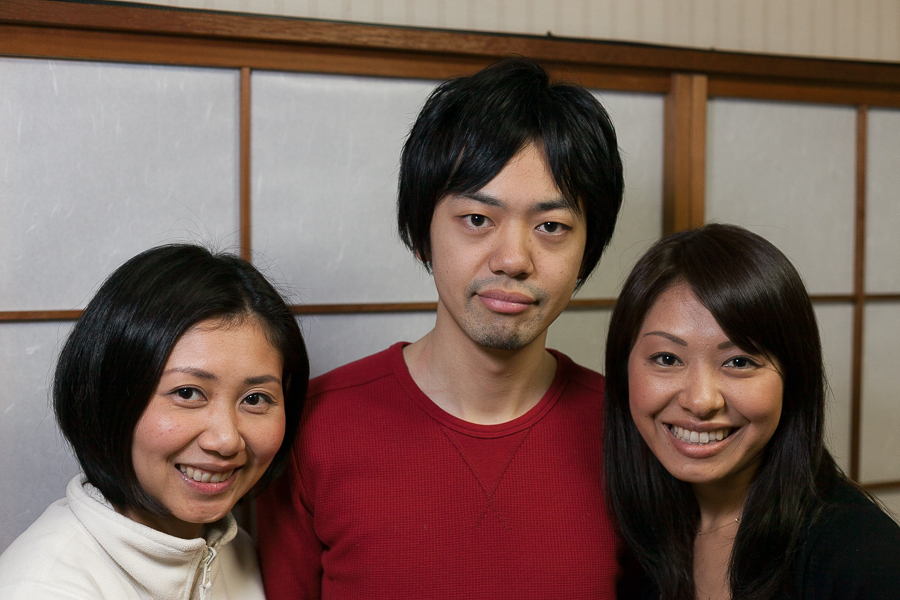
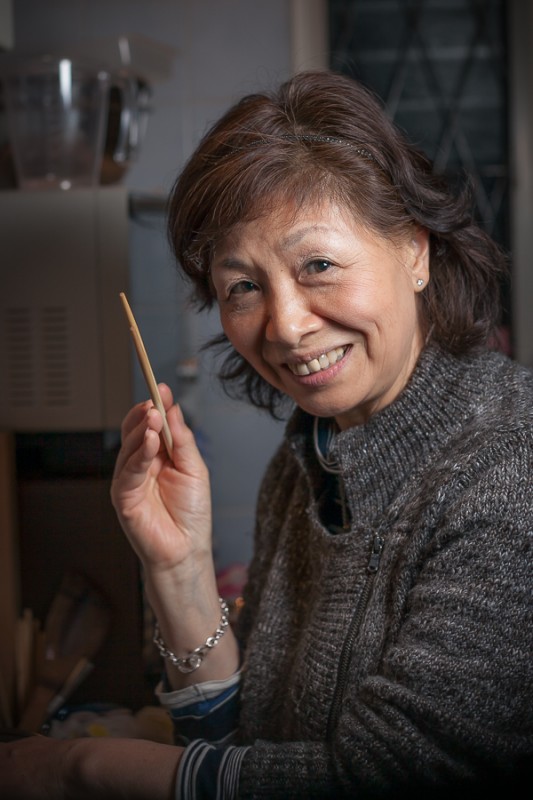
The end

Read more
Apr 05 2014

It’s time to dump Facebook

By Mark Beresford

Well not completely, but for posting my photos. Facebook claims that they own all materials that you post on their site and that’s just not healthy. Plus, any social media organization can decide to kick you off their system at any time or they could go bust. With not too much effort and not too much cost, anyone can have an interactive WordPress-based website, giving complete ownership of the work you do. Facebook can then be a way to let people know about your site.

Read more
Apr 04 2014

Singapore 2014

By Mark Beresford

Singapore is a fabulous place and I’d love to go back. Kaori was working all day as well as most evenings so I packed in as much I could and spent five days travelling by foot, underground, and bus from dawn ’til dusk. I walked so much I got some nasty blisters, but I toughed it out despite the pain and kept exploring. It was extra wonderful to be able to return in the evening to the best hotel that we’ve ever stayed in, the Ritz Carlton. To top it off, we had access to the club room for breakfast and evening drinks. And we did have some time together at the end.

The Merlion

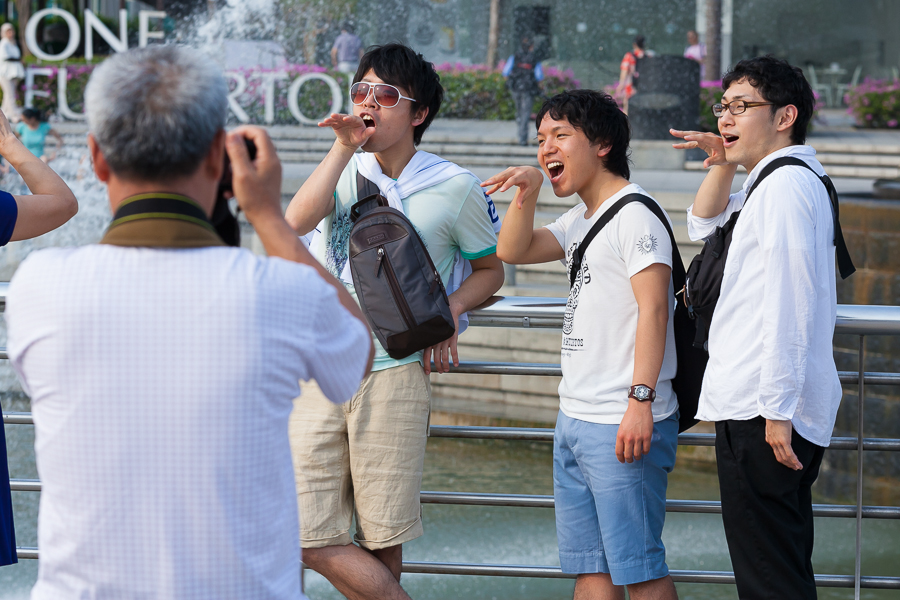
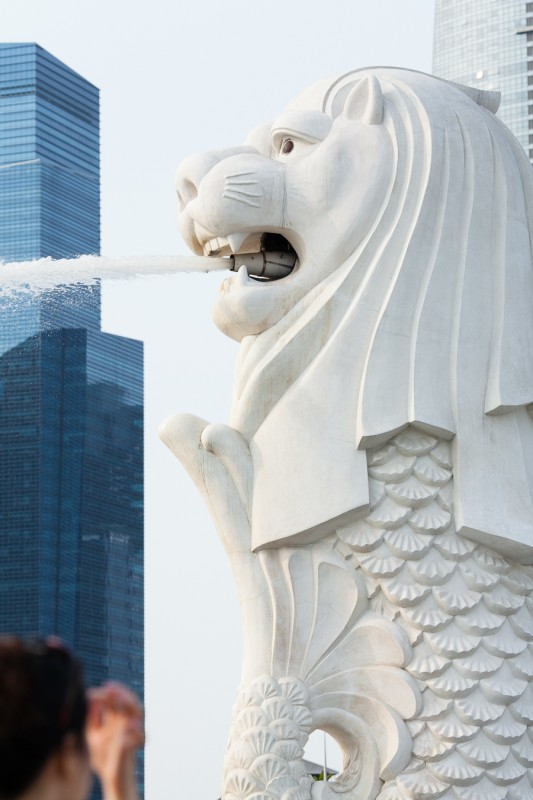
From the window of the hotel we could see the Merlion statue that spews water into the Marina. Crowds gather at the Merlion to take photos of each other and of the skyline that includes the Marina Bay Sands hotel and the Science Museum.

The Merlion is not exactly classical architecture, but it’s definitely inspirational for people.

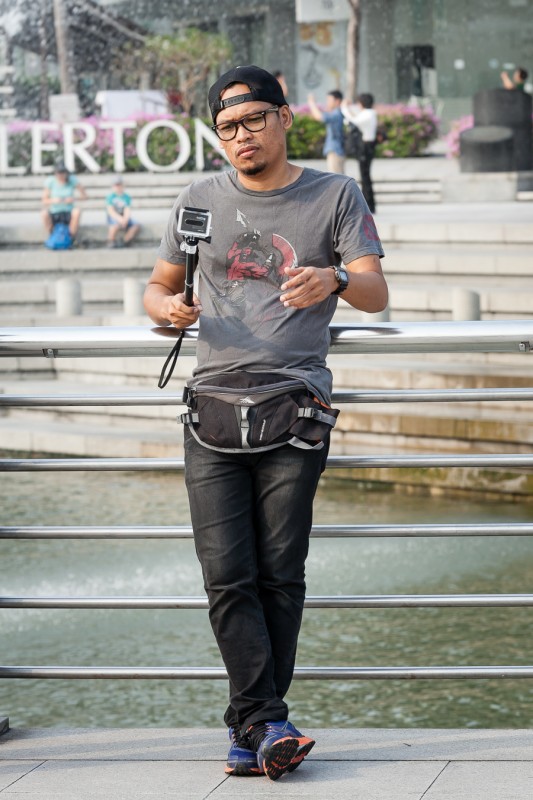
Selfies and family portraits seem to be taken by everyone who visits the Merlion. I saw “selfie sticks” attached to iPhones and GoPros all over Singapore.

Fort Canning

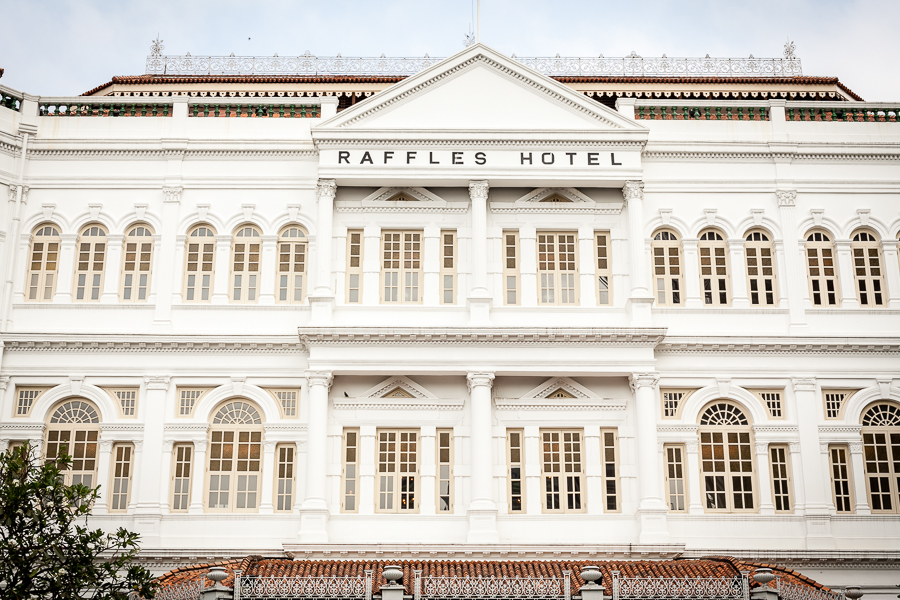
I walked from the Marina where we were staying, through the old colonial district, past the Raffles Hotel.

This is a beautiful hotel with a lot of history. Even the back and sides are beautifully decorated and quite grand.

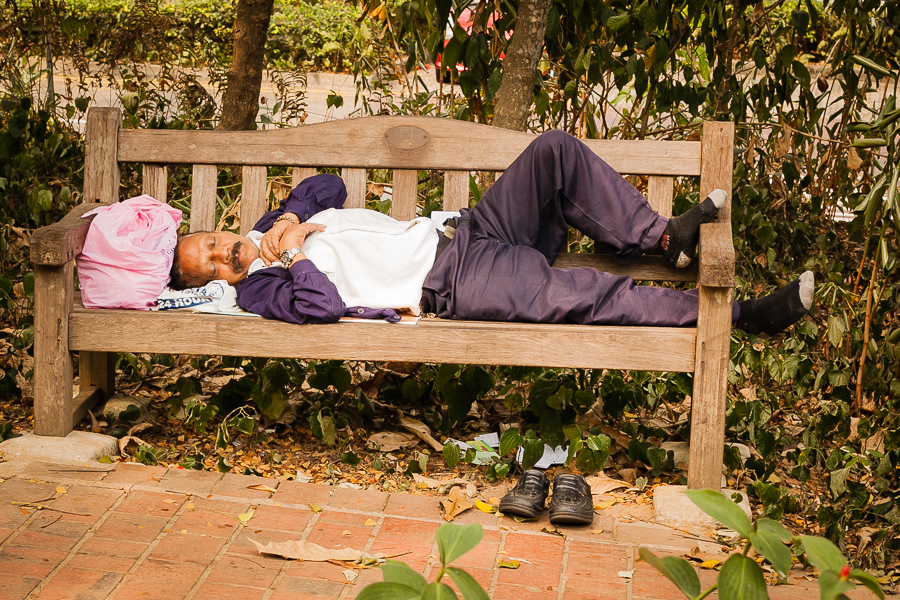
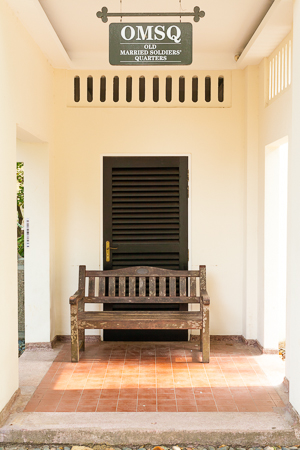
Past the hotel, I climbed the hill to Fort Canning, which was the military installation built by the British when Singapore was part of the Empire. I came across this chap who really needed a longer bench.

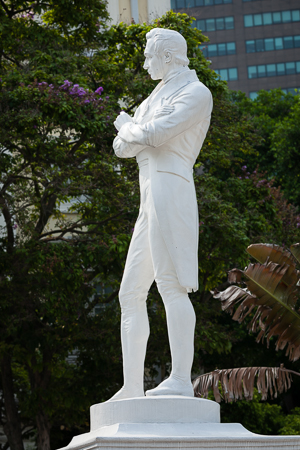
Mr Raffles founded modern Singapore and did a lot to ensure that the British took care of the people while he was building a commercial centre in Asia. He made his home on the hill and build a botanical garden there.

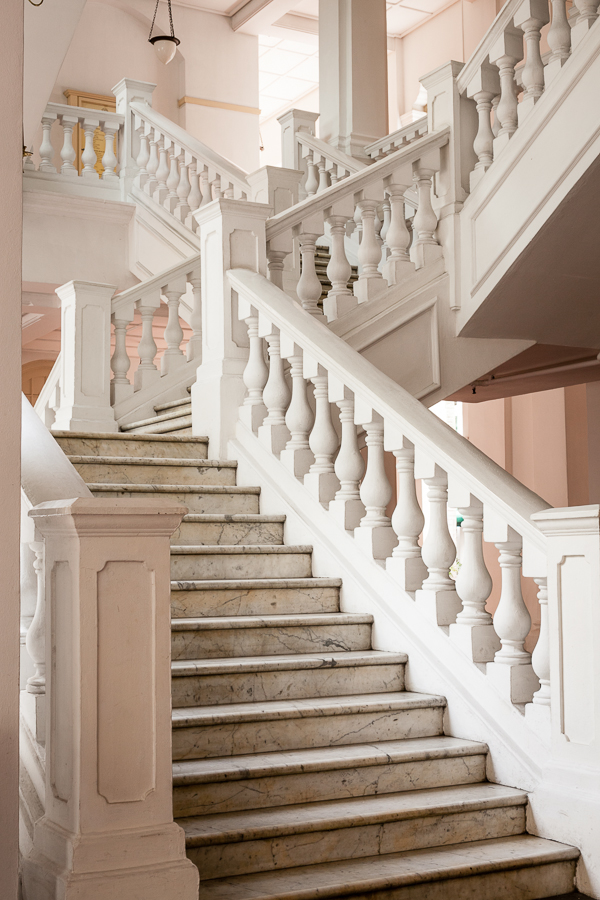
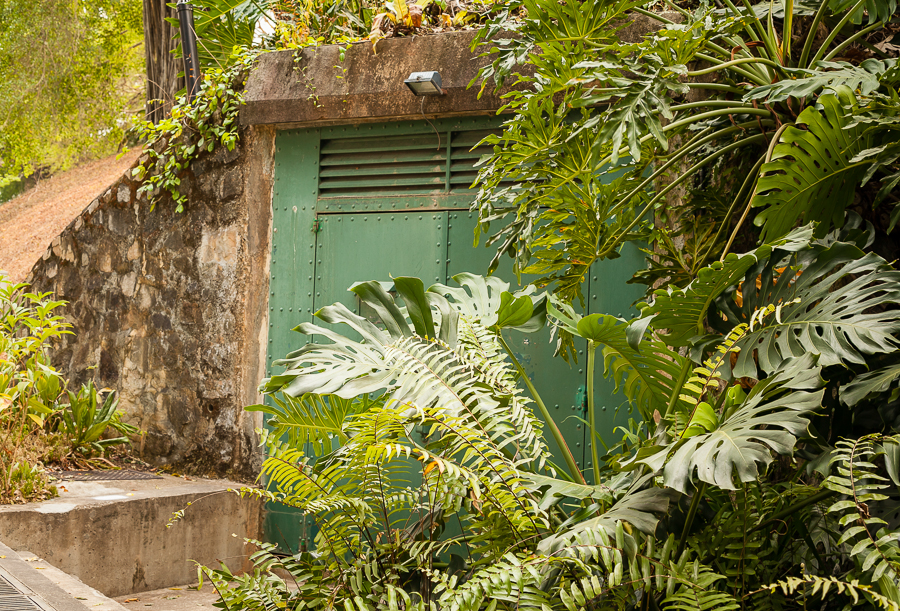
The hill eventually became Fort Canning and it was where the British campaign in Singapore was headquartered during WWII. There are some grand marble buildings as well as army barracks and various military outposts.

General Percival decided to surrender around 100,000 men while seated around a table with his officers in this underground bunker called the “Battle Box”. It was hidden for some time and excavated not that long ago. Churchill called the loss of Singapore the worst defeat in British history.

There are a lot of British people still at Fort Canning. Interestingly, it was decided at some point to embed their nicely aged headstones in the walls.

Taking cover

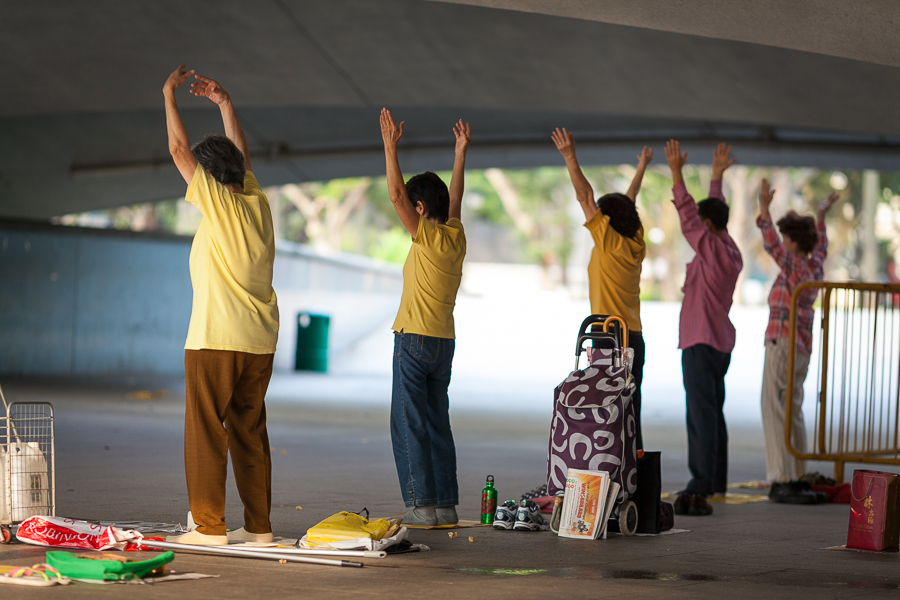
It was comfortably hot and humid, but the locals take advantage of cover when they can to keep cool. I saw these crazy people doing some kind of exercise for hours every day under the same bridge.

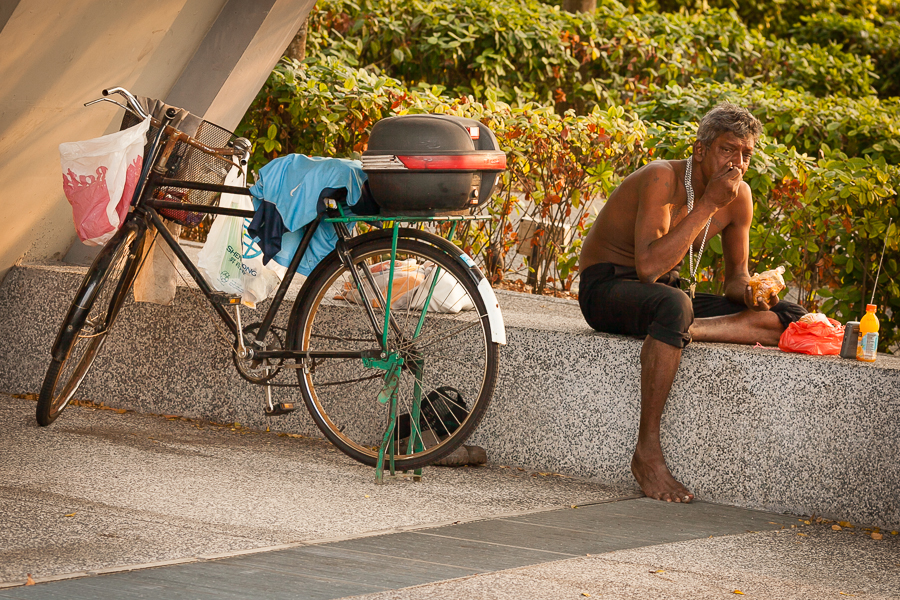
While still on the bridge theme, this chap was eating breakfast early one morning in the shade of a bridge, probably before heading off to work.

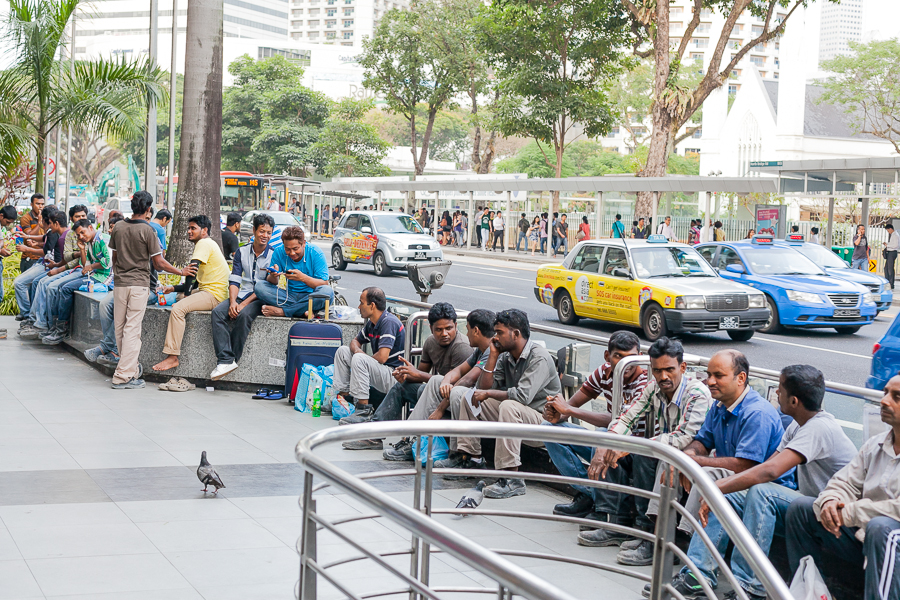
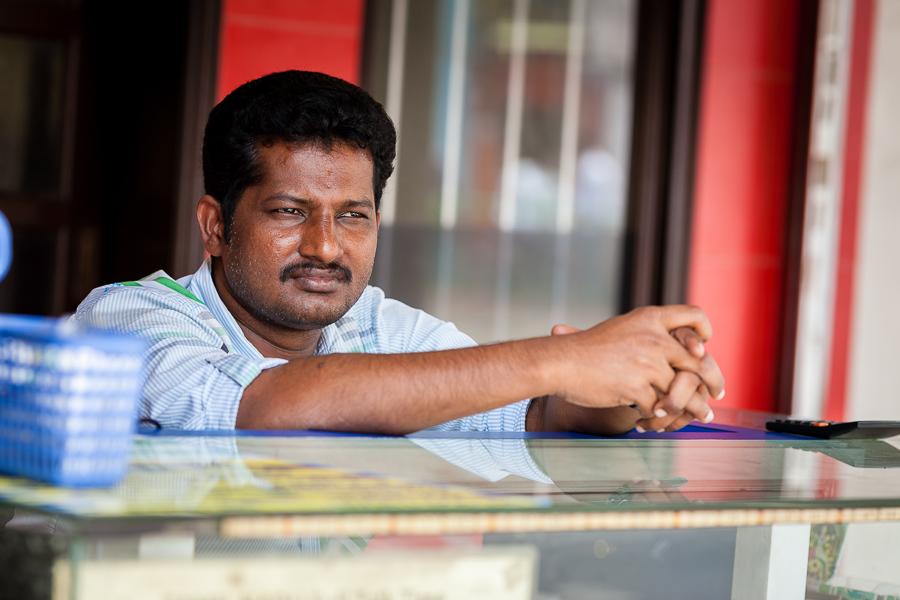
The Indians definitely seem to be the underclass in Singapore and make up most of the construction workers. There were new buildings being built everywhere I went, and I wondered if these people were waiting for the next job to go on.

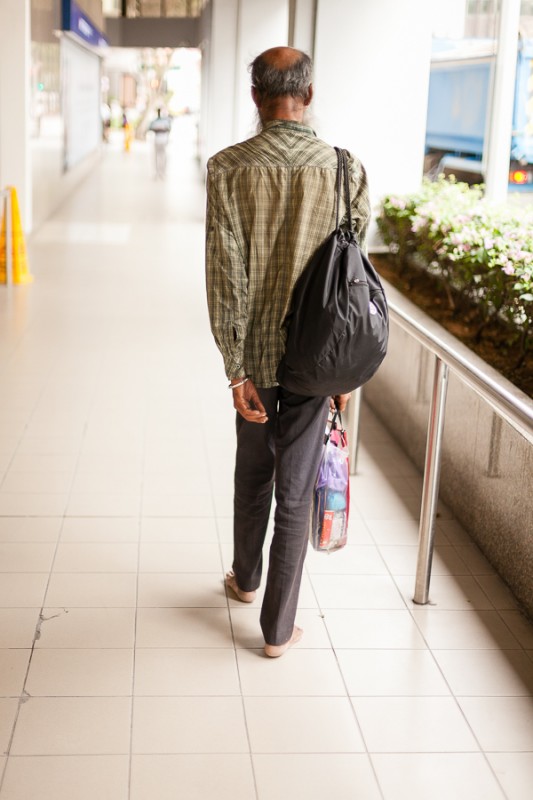
This man was walking around the city without any shoes.

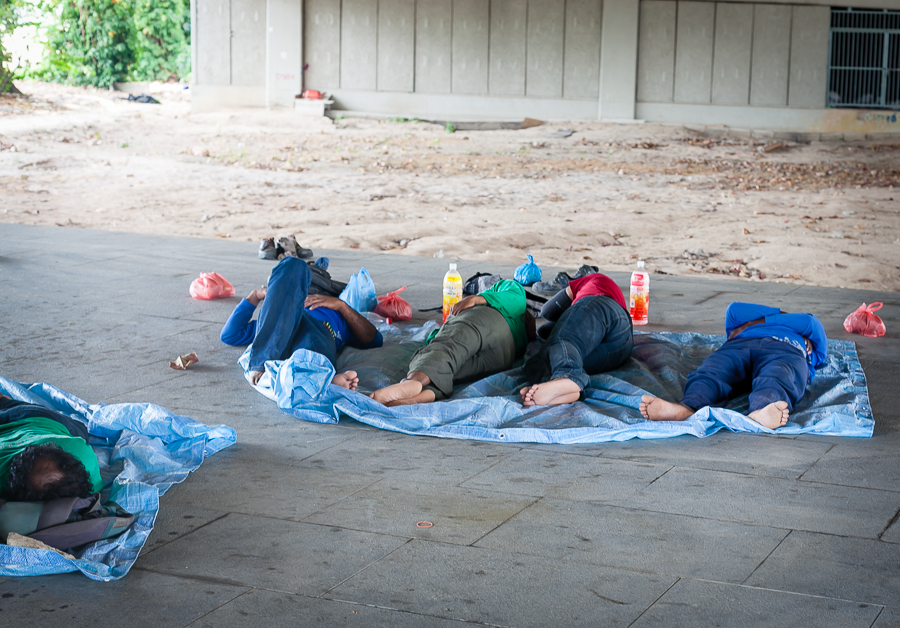
And construction workers can be seen in many places sleeping under bridges on the hard floor.

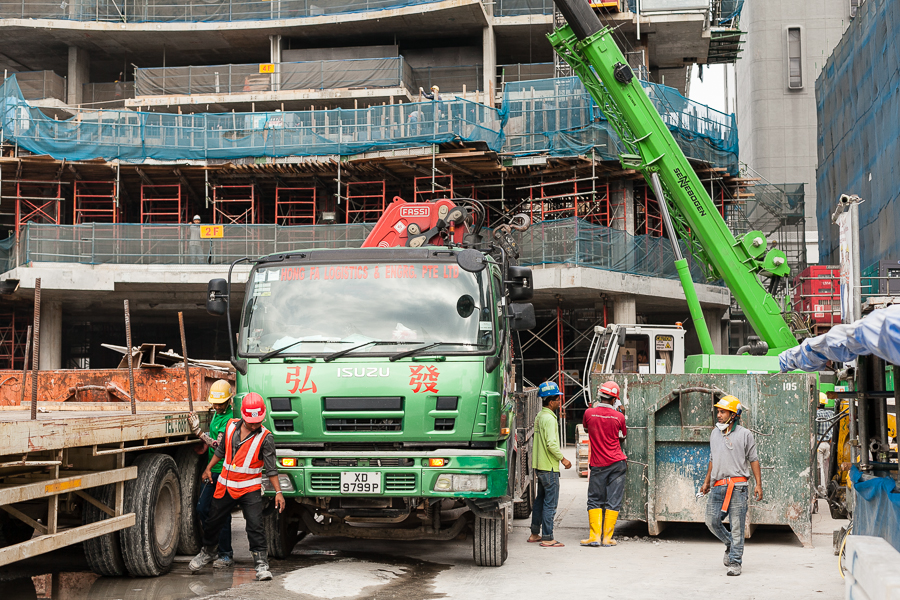
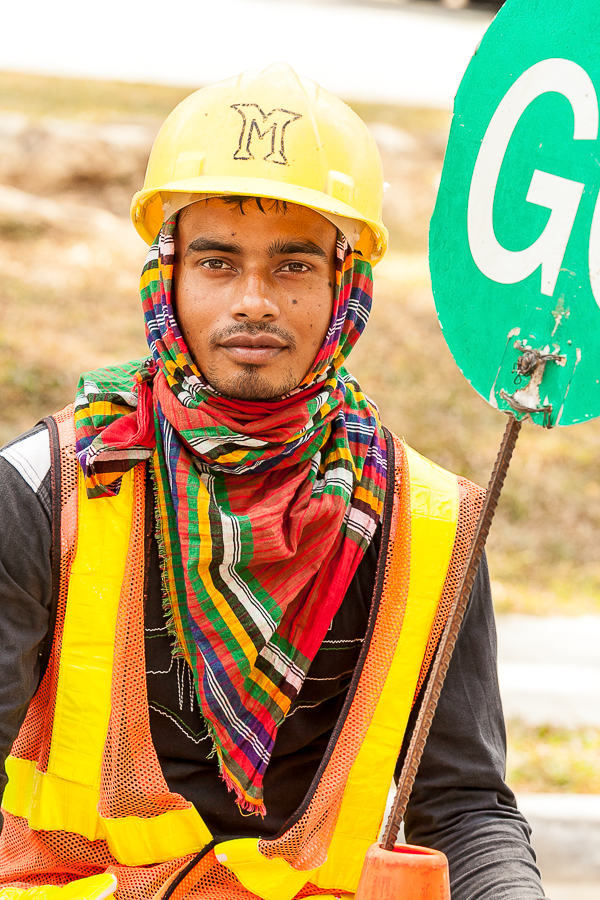
Here are some of them at work.

Singapore Zoo

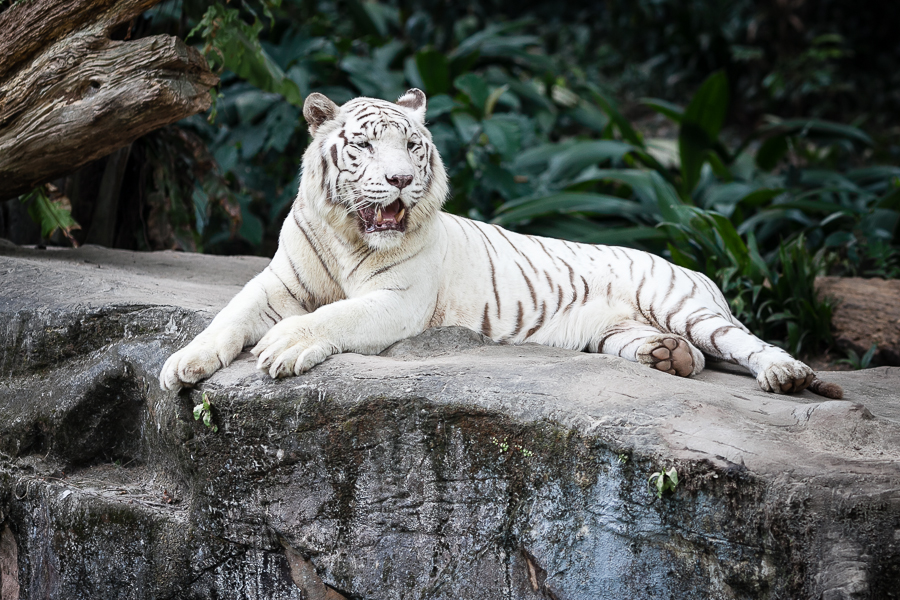
I read that Singapore Zoo is one of the best in the world, so I had to see it. The reviews were right. It is the best zoo I’ve ever been to. The enclosures are designed with discrete, vegetated moats to disguise the fact that the animals are separated from you. Plus, they have white tigers! This tiger may have been party to a bizarre incident in which a cleaning man decided to make a one-way climb down into the enclosure.

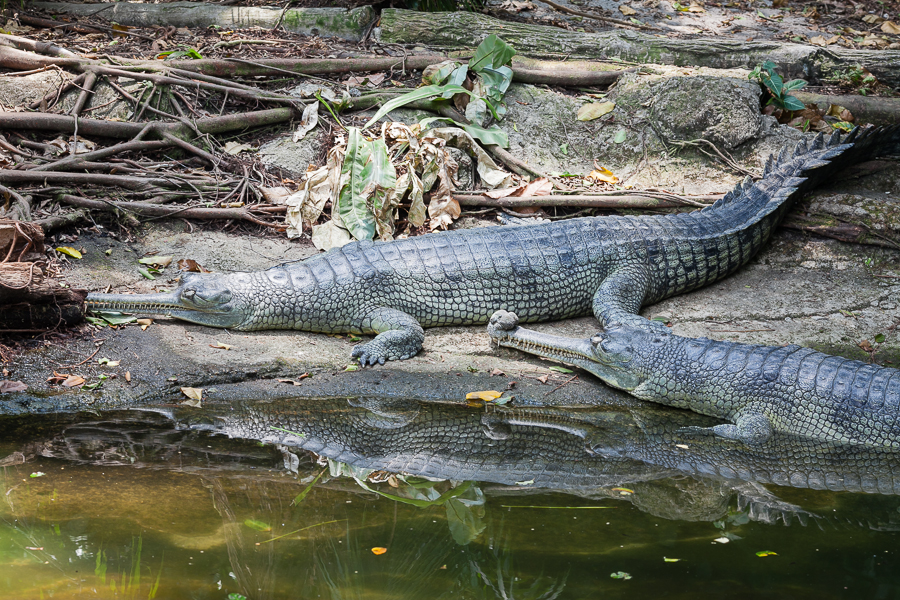
Here are some interesting saltwater crocodiles.

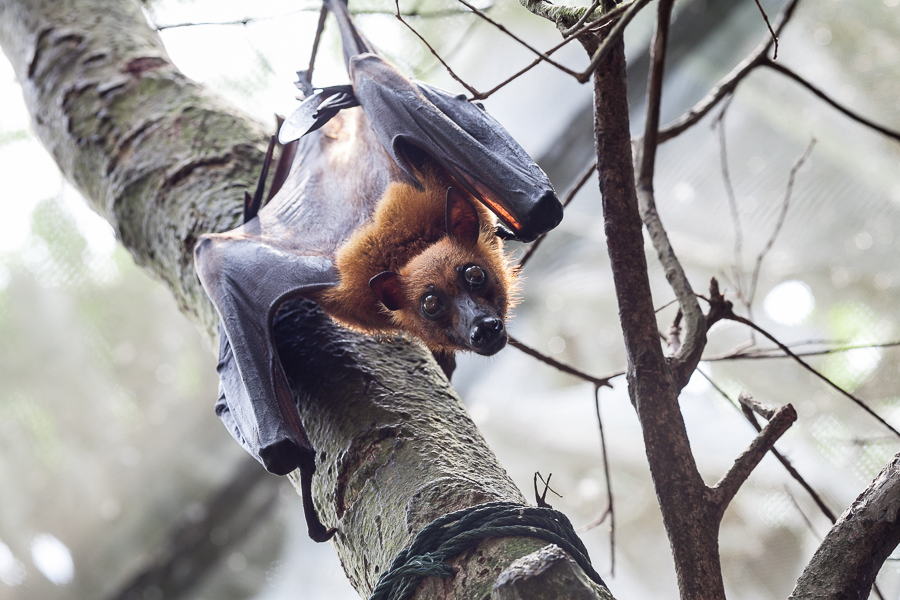
The bats were flying all around in one of the houses.

And the lemurs seemed bored, but stayed close to keep an eye on things.

Bukit Timah Nature Reserve

I’ve been desperate to see wild monkeys since last year when I heard that Japan has them. I still haven’t see the Japanese ones, but I caught a train and then a bus to the Bukit Timah Nature Reserve where I heard you could see them. It was a hot day to be out walking in the rainforest and after fuelling up with Pocari Sweat electrolyte, I hiked up to the entrance. I was not disappointed as the place was teeming with the little (and not so little) things.

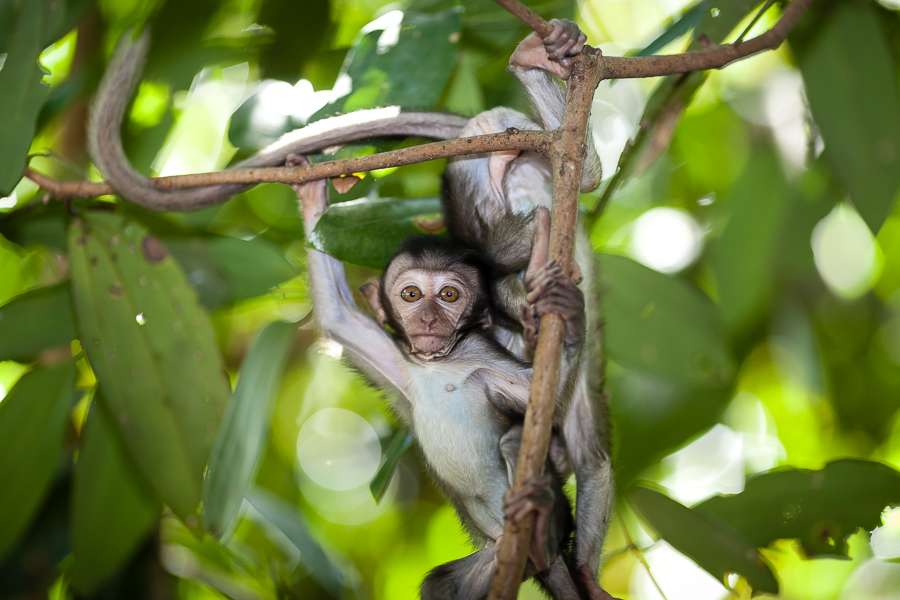
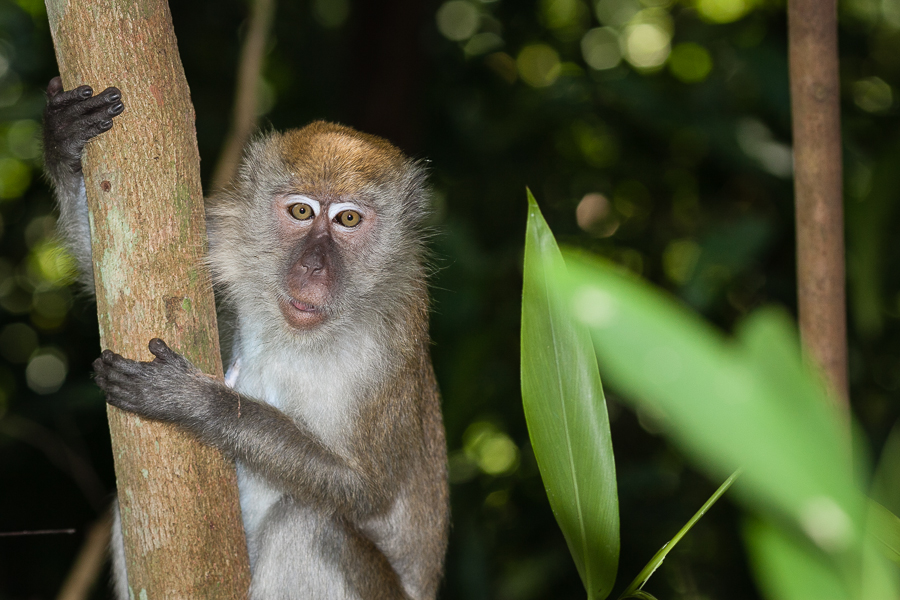
The monkeys are long-tailed macaques and they were monkeying around up in the trees as well as sitting on the ground. I watched them for a long time.

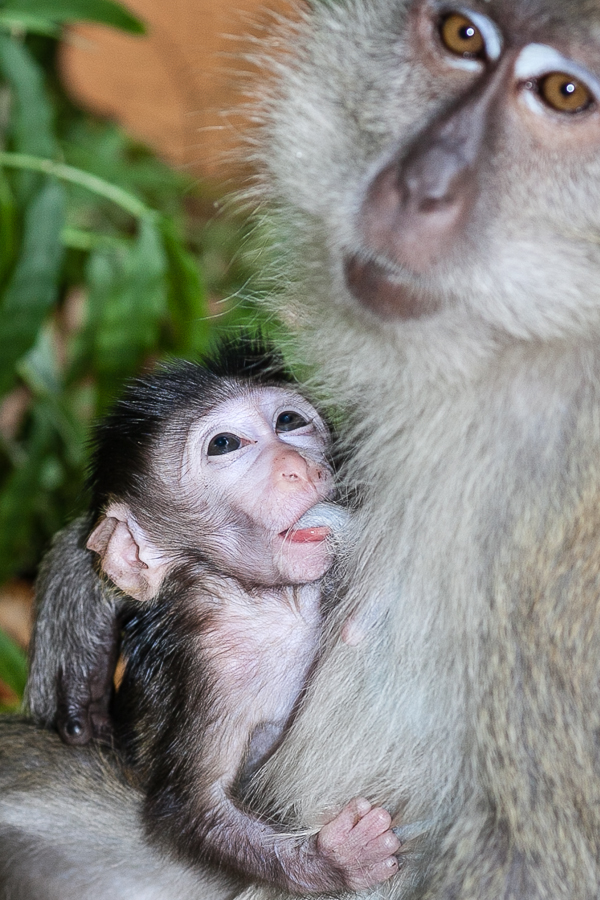
There were some wee ones with their long-suffering mothers too.

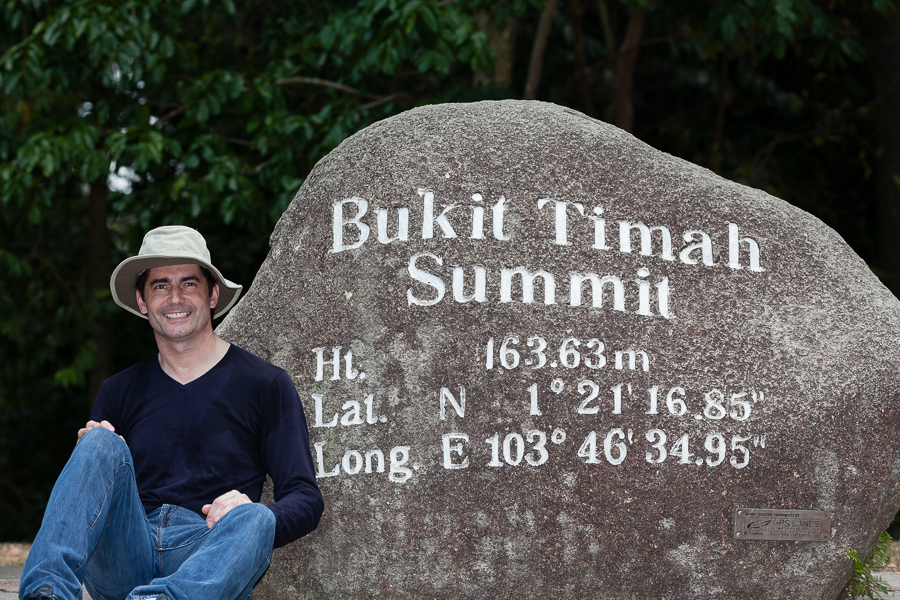
I hiked on a wide track through the rain forest to the top of the highest point in Singapore.

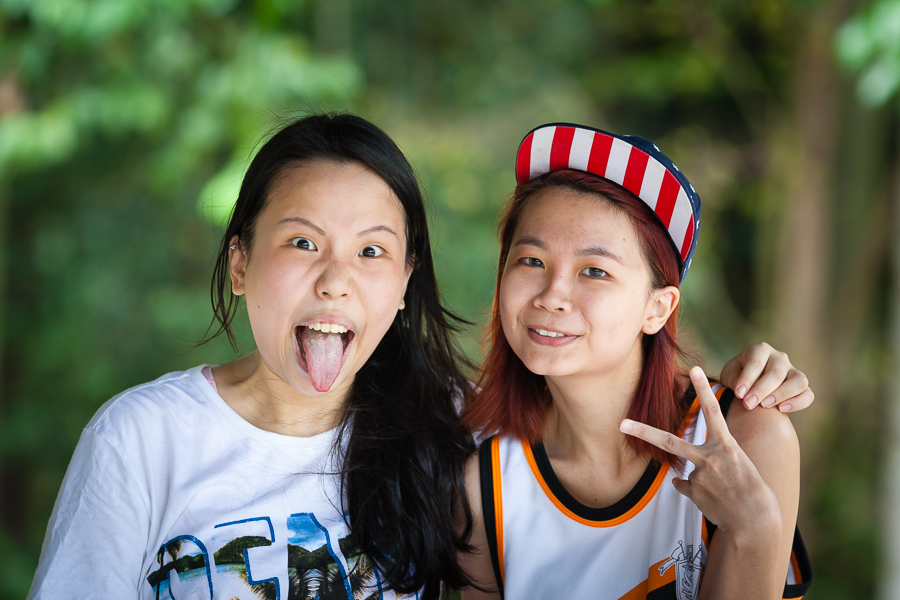
At the top I met Kim and Ping and I enjoyed learning about life as a teenager in Singapore from them. They seemed pretty happy and really enjoy eating the local hawker food.

MRT

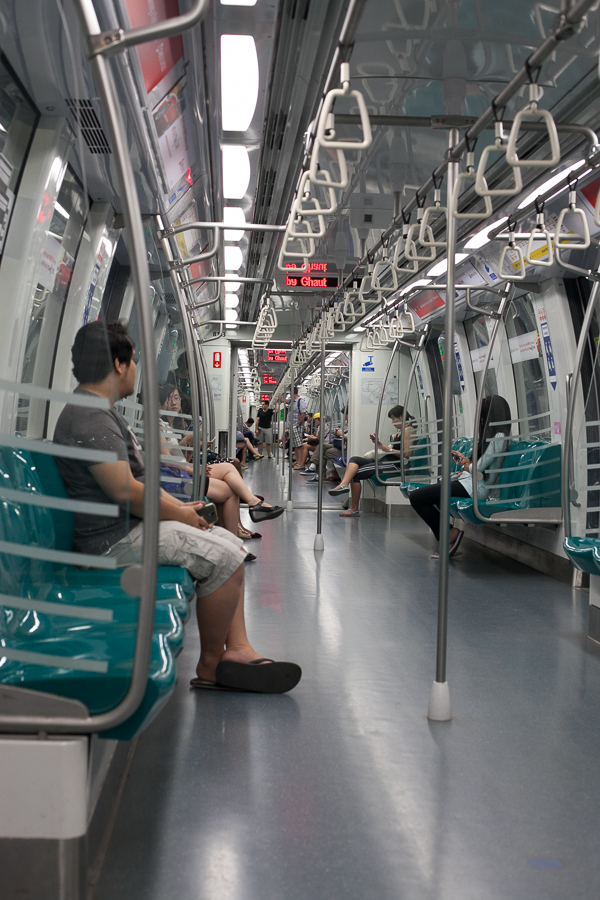
The Mass Rapid Transport underground system in Singapore is extremely modern, clean, efficient, and uncrowded.

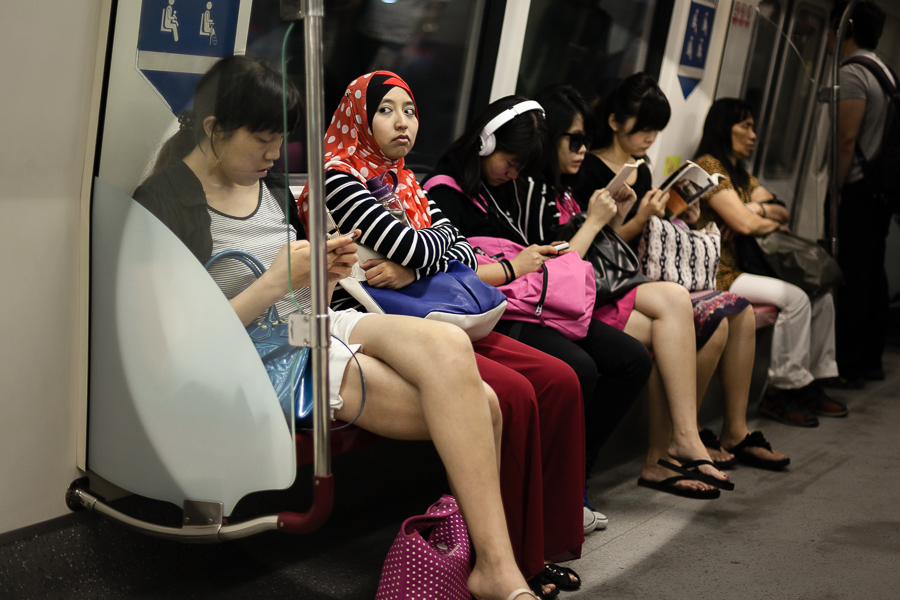
It’s really easy to get around on the MRT and it’s a good way to watch a cross-section of people. Ethnically, Singapore is about 75% Chinese, 13% Malay (the native population), and 10% Indian. There also seem to be a lot of Europeans in the financial and touristy parts of the city.

Little India

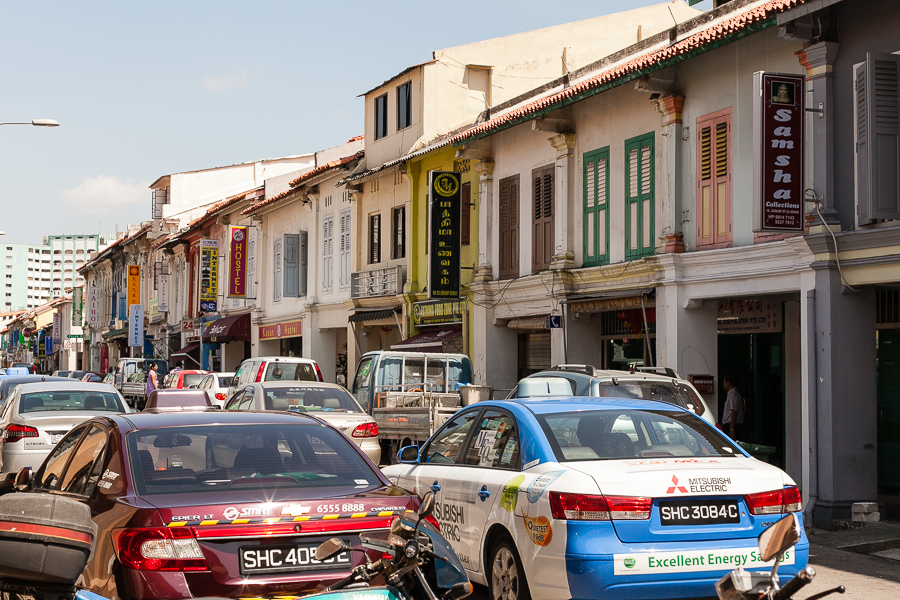
I took the MRT a few stops from the Marina District and came out at the hot, bustling square block of grocery stores, jewelry shops, and temples that make up Little India.

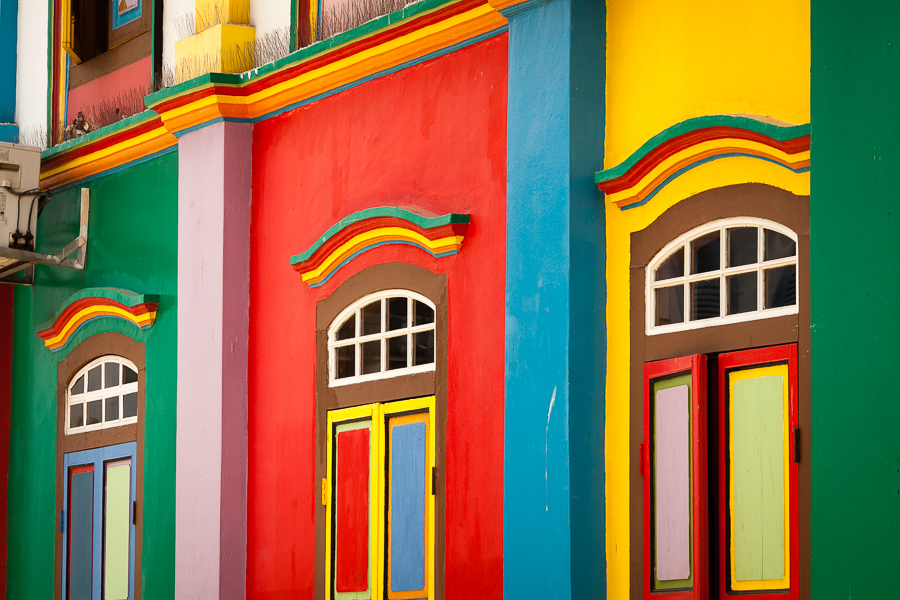
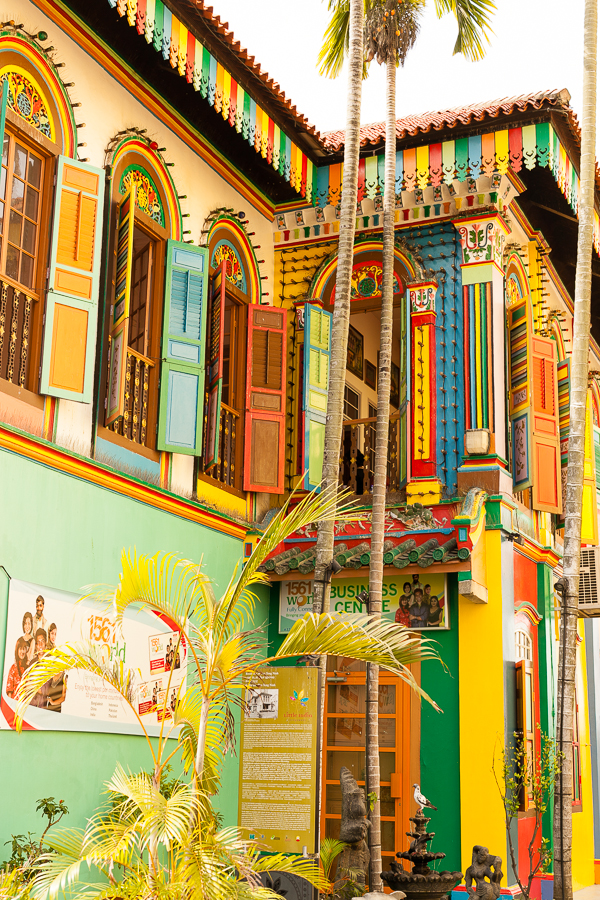
Some of the buildings are painted in strikingly bold colours.

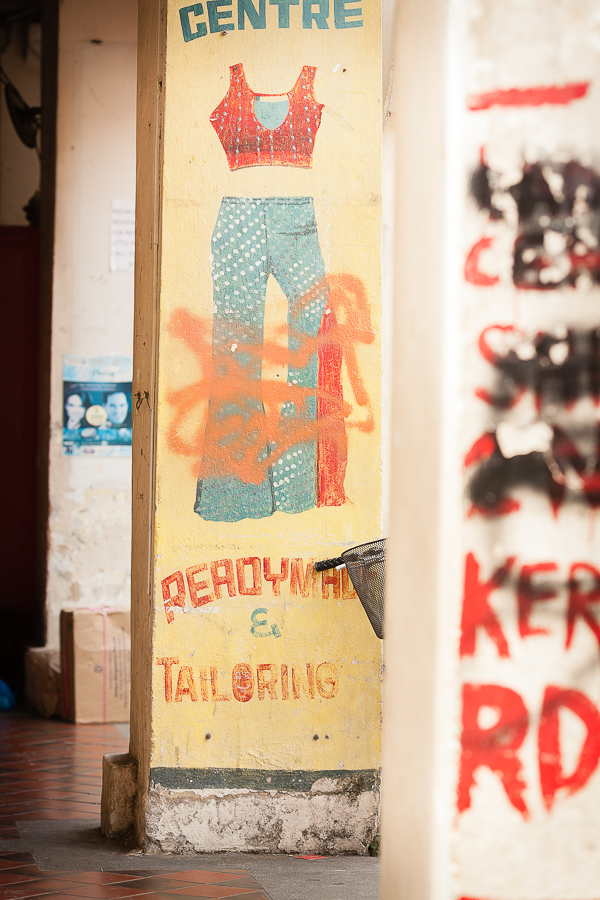
While others are grungy and a bit run-down looking. This was the only graffiti I saw the entire time I was in Singapore.

It was a very hot afternoon but I walked around and enjoyed taking pictures of any interesting locals who were situated in good light. I’m not quite sure what this gentleman was selling – maybe mobile phones.

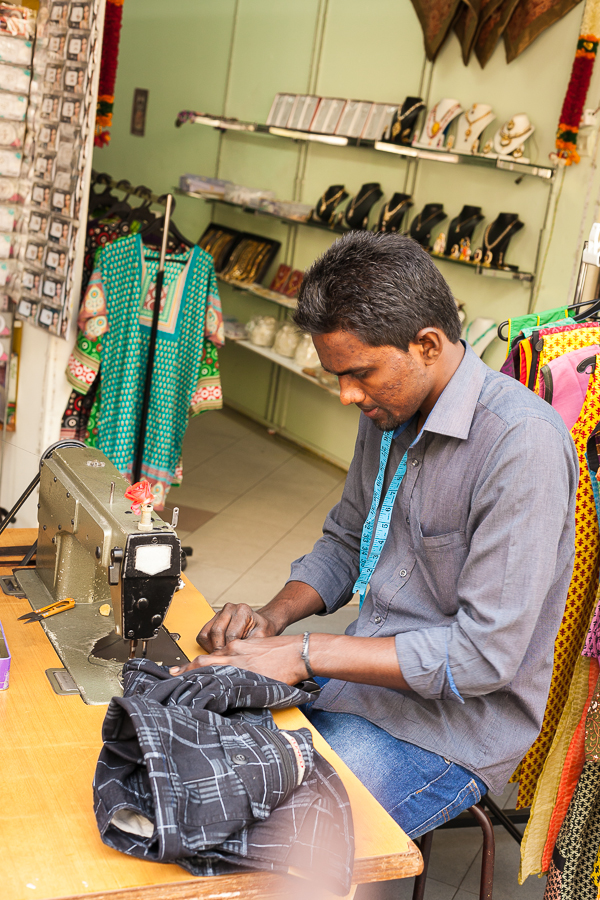
This man was sitting out next to the sidewalk (pavement) repairing clothes.

And no prizes for guessing what this man was doing. I almost got run over while standing in the street taking his picture, but I had to capture him because he was so colourful and handsome.

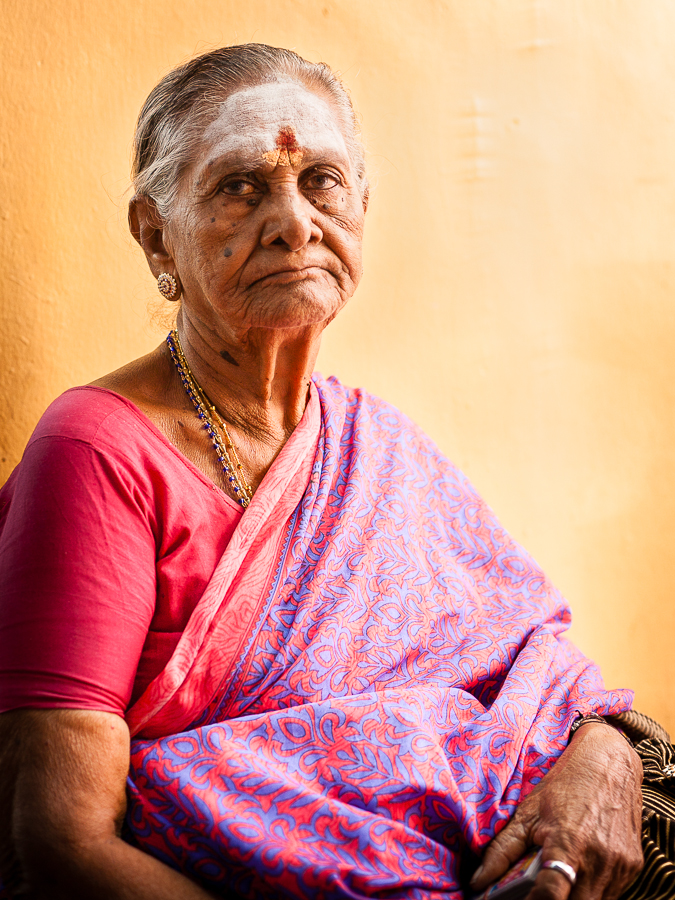
As I was looking at all of the bright colours in a fabric shop, this lady silently motioned for me to take her picture. Then she further motioned that she wanted to be paid. Ah well, a picture of her would be worth a few dollars, so I sat her down against a neutral background and quickly perfected my camera settings. However, only a couple of pictures were usable because she wouldn’t stop nodding her head (Indian style). She was also pretty grumpy for a woman who earns her living as a model.

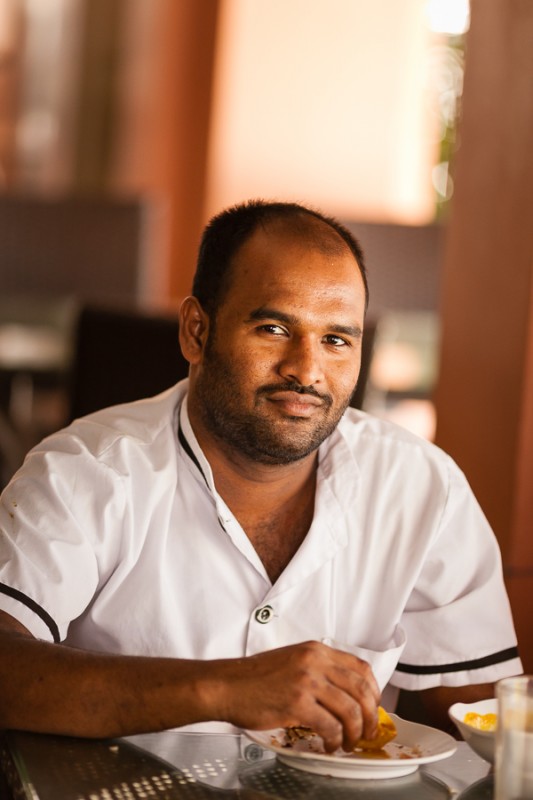
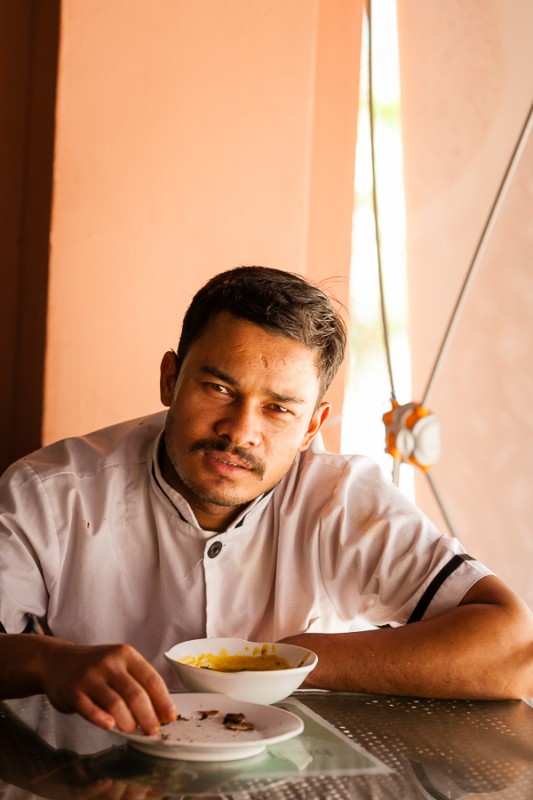
While stopped for lunch at an Indian restaurant, I took these pictures of the kitchen staff who were taking a break and eating their own lunch with their hands.

Later, I cooled off a little by spending an hour sitting inside the Masjid Abdul Gafoor mosque, drinking water and enjoying the peace. To get there I had to take off my shoes and scorch the soles of my feet while running for the shade.

This gentleman looks as though he was praying but actually he spent the entire time I was there talking on his cell phone.

Orchard Road

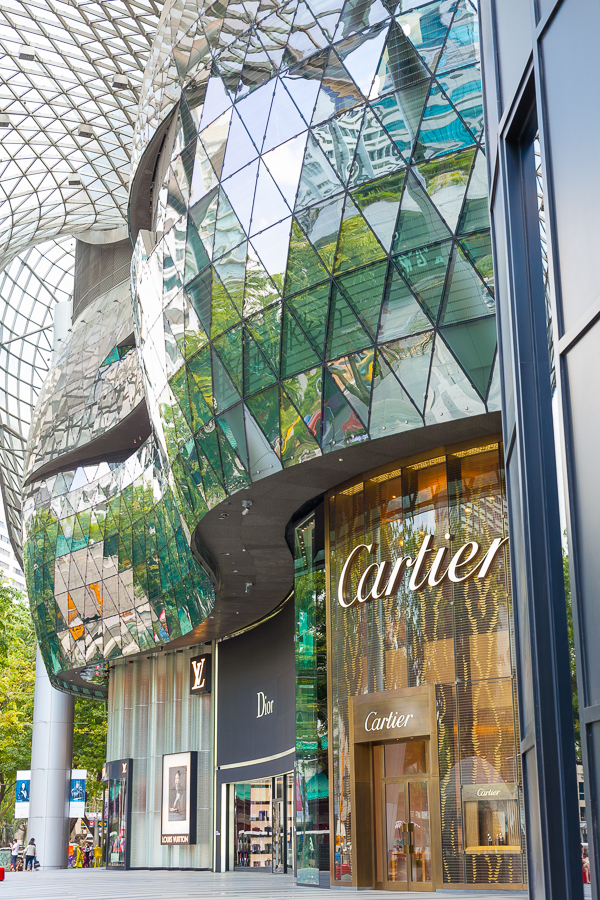
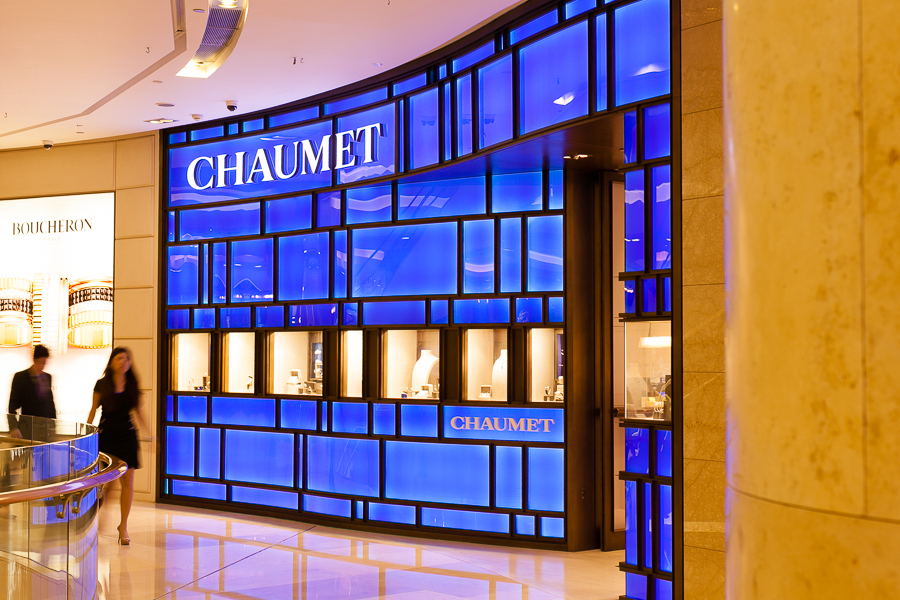
After Little India, I experienced the opposite end of the cultural spectrum by catching the MRT to Orchard Road. This is one of the most expensive shopping streets in the world.

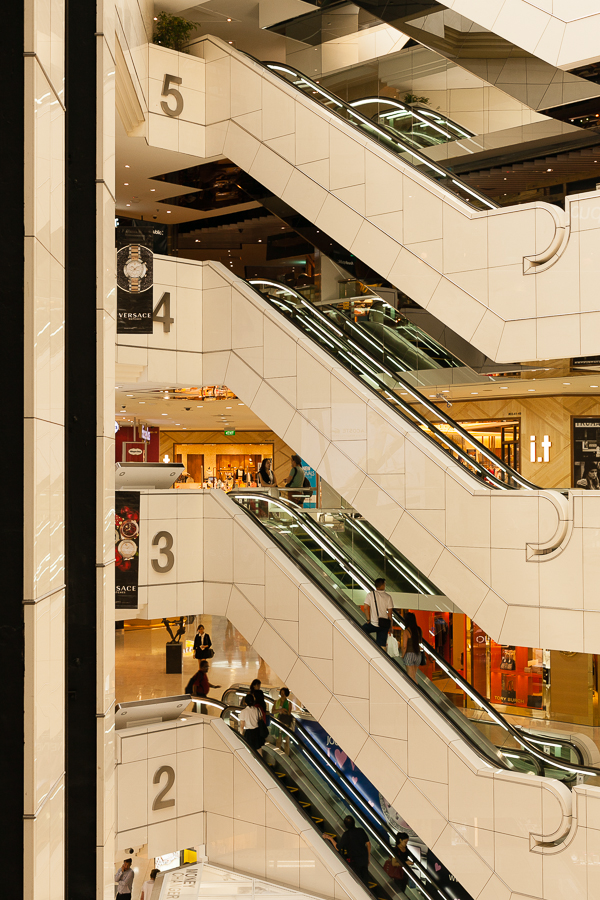
There are dozens of malls along this street with all of the finest names in style and fashion fully represented, with the most famous mall being the ION Orchard Mall. The level of luxury and architectural style were incredible, and unlike Tokyo, which was our next stop, the shopping experience was free of extreme crowd stress.

Where people live

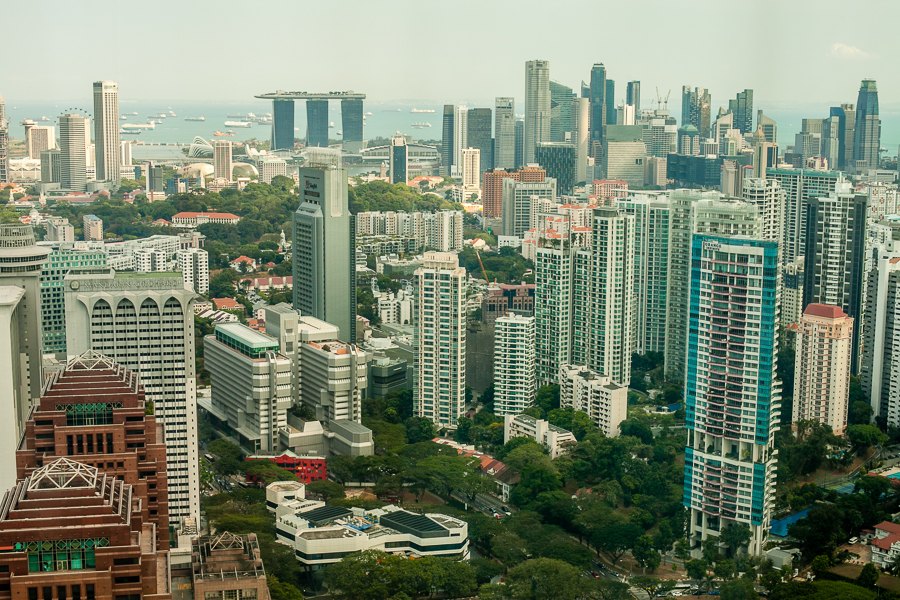
I took an elevator up to the top of the Ion Orchard Shopping Mall to get a view over Singapore. This is the view of the financial district with Marina Bay beyond.

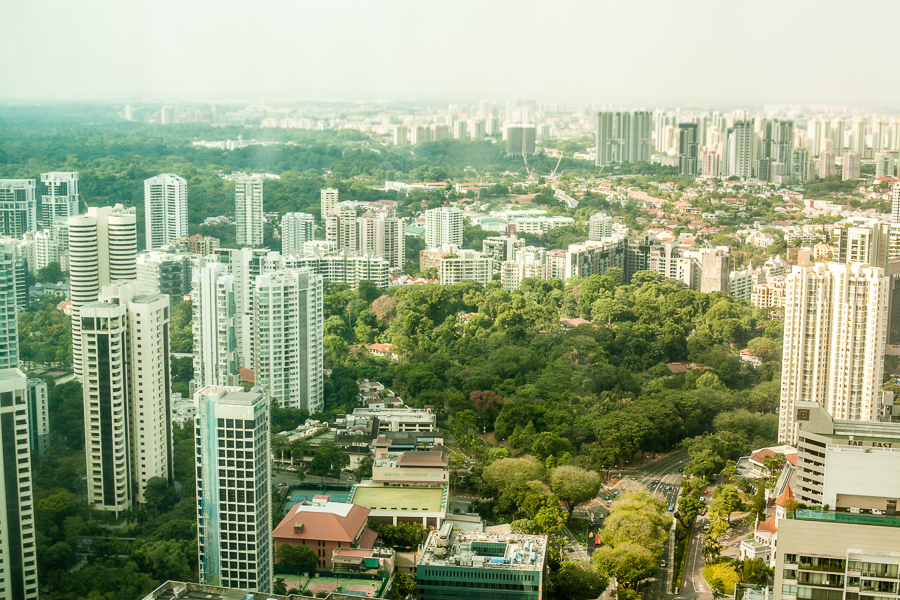
And looking inland, as far as the eye can see it’s apartment towers with puddles of native rainforest. Singapore is the second most densely populated state in the World, and most people live in high-rise apartment towers like these.

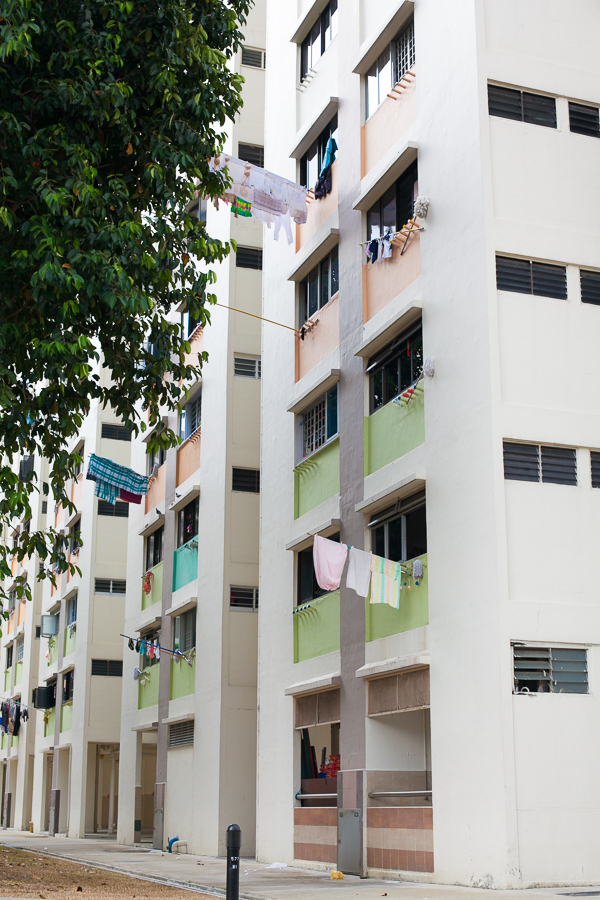
Families living in the tower blocks dry their clothes by hanging them out of the windows on long poles.

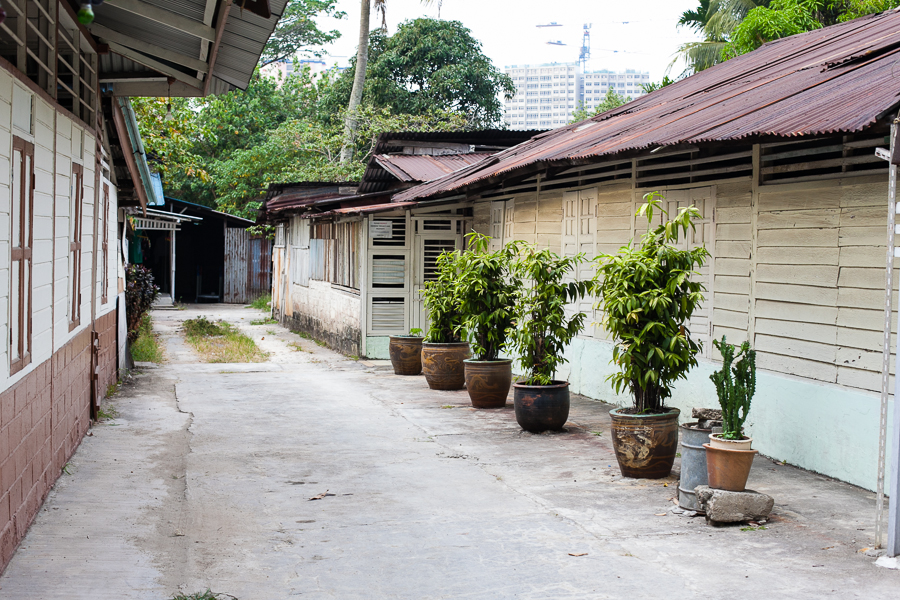
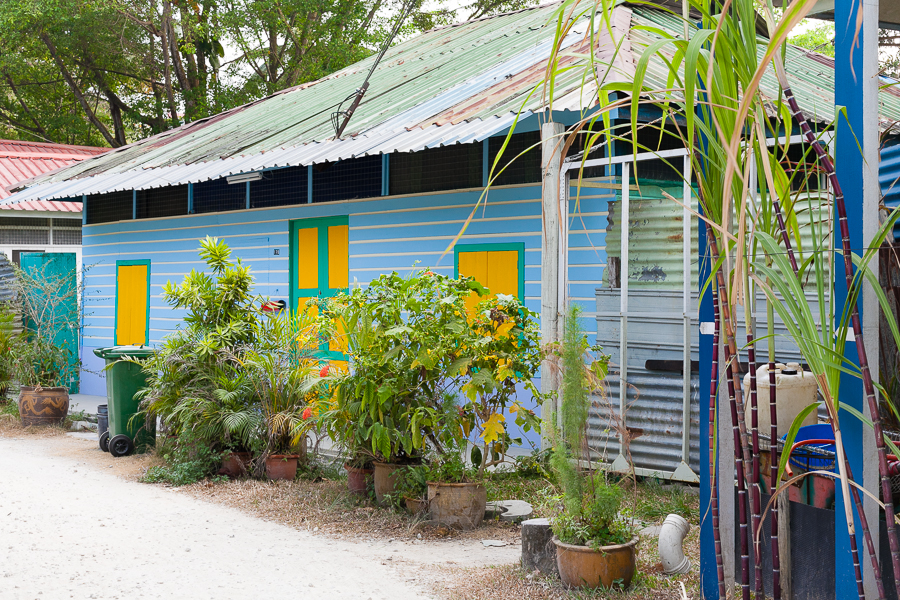
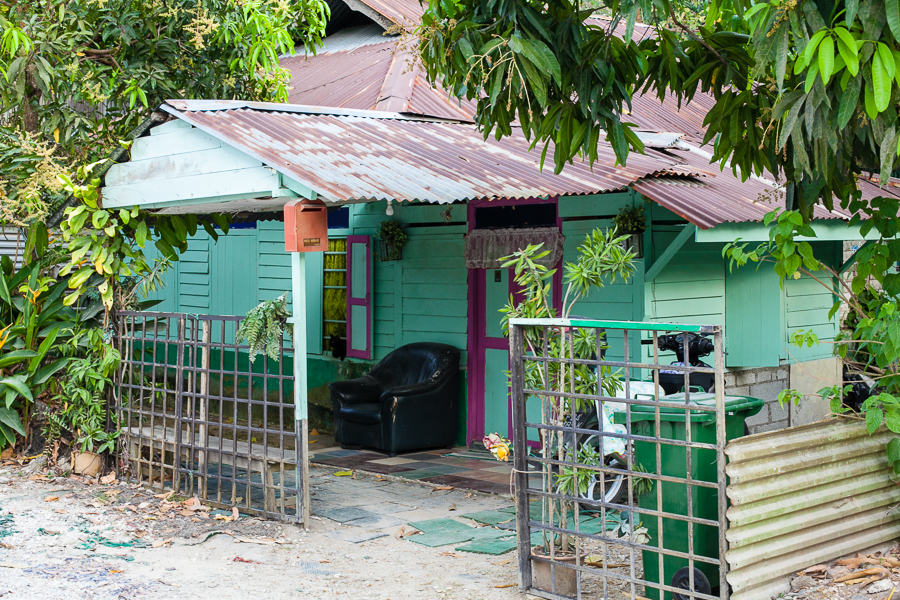
To learn more about where Singaporeans live, I caught a bus, got off too early because I didn’t understand the bus stop numbering system, and then walked for a long time to get to the “last kampong” of Lorong Buankok. It’s the last surviving village in the main island of Singapore, with single-storey wooden houses that have corrugated metal roofs.

It was starting to get dark when I arrived and the shanty town feel didn’t seem safe to me. But, a local man carrying a machete reassured me by saying in his broken English, “Go in and take a look around. Nobody will murder you here”. I took my chances and hiked along the road into the village. Residents here have tried to maintain a slower pace of life, with lots of free-range chickens and a village community. It’s smaller now, but a few decades ago there were as many as 40 families here, with villagers working in nearby factories.

Some of the houses are brightly painted.

See if you can spot the cat in this photo.

The Padang

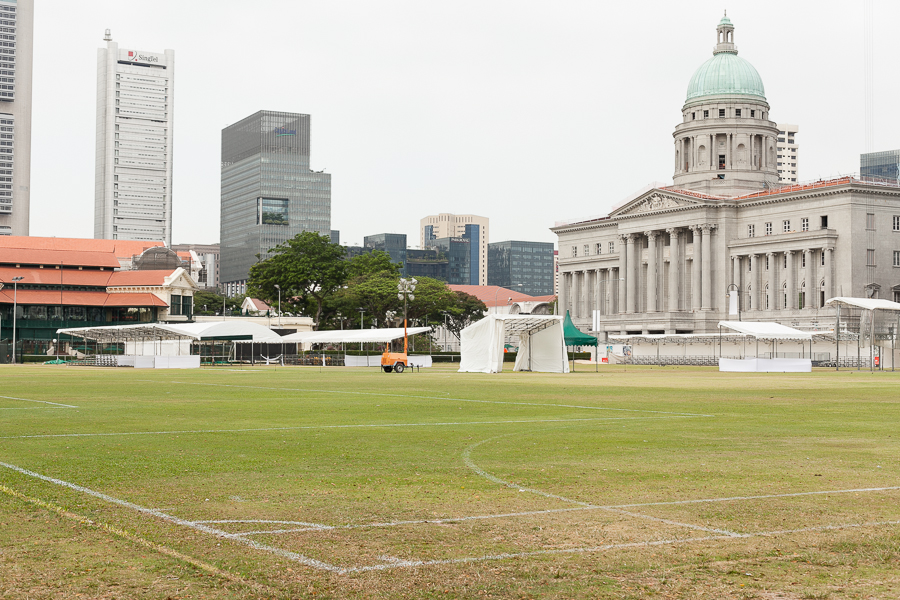
Close to the old colonial district is the Padang, a tree-lined strip of land overlooked by the City Hall.

This is where the British army was held in 1942 after they were captured and before being shipped off to work on various construction projects. With its very British cricket and football fields, it’s now used for more peaceful purposes.

At one end of the Padang is the war memorial with it’s prettily laid out landscaping.

Gardens by the Bay

The Marina’s Gardens by the Bay has a couple of conservatories that house plants from around the world.

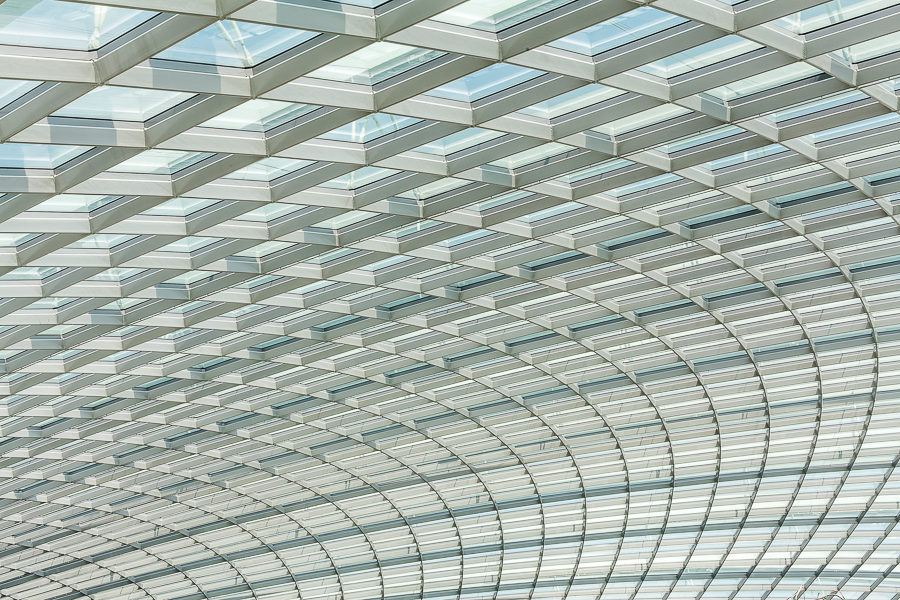
Both the flower dome and cloud dome are beautiful structures inside. This is the roof of the flower dome.

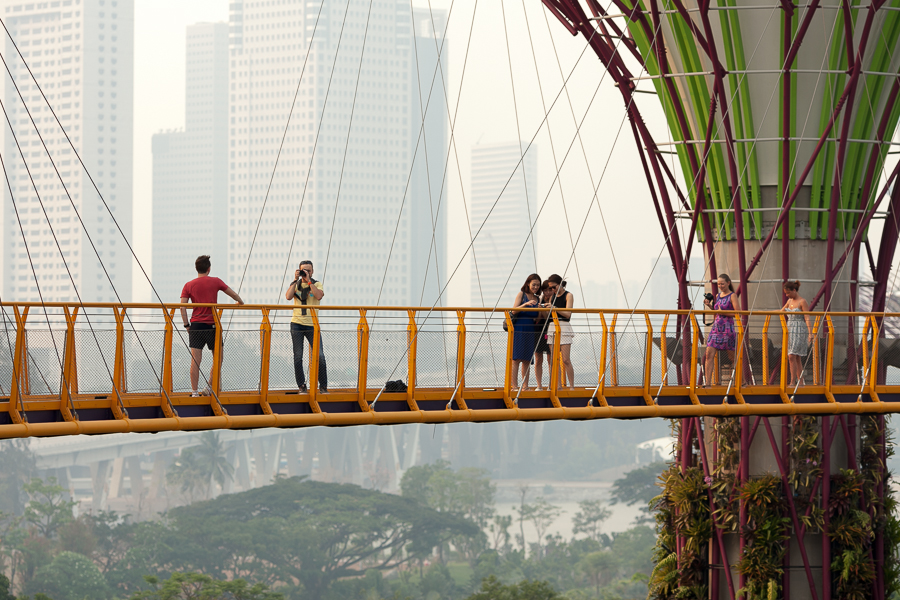
Outside there are some “supertrees” with walkways strung between them that normally provide good views, but the day we visited it was smoky because of rain forest that was being cleared by burning all the way over in Sumatra.

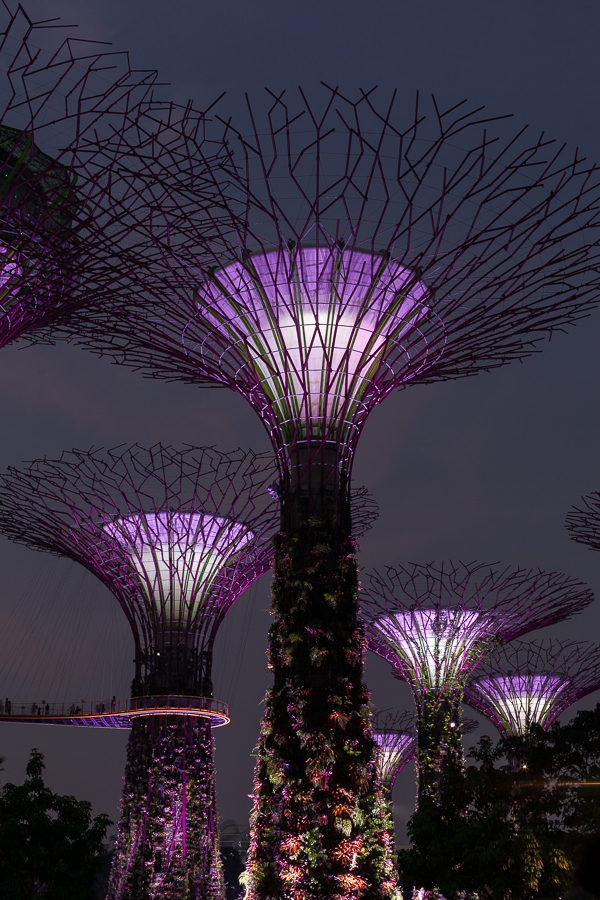
At night, the trees light up and change colours to the beat of a musical performance.

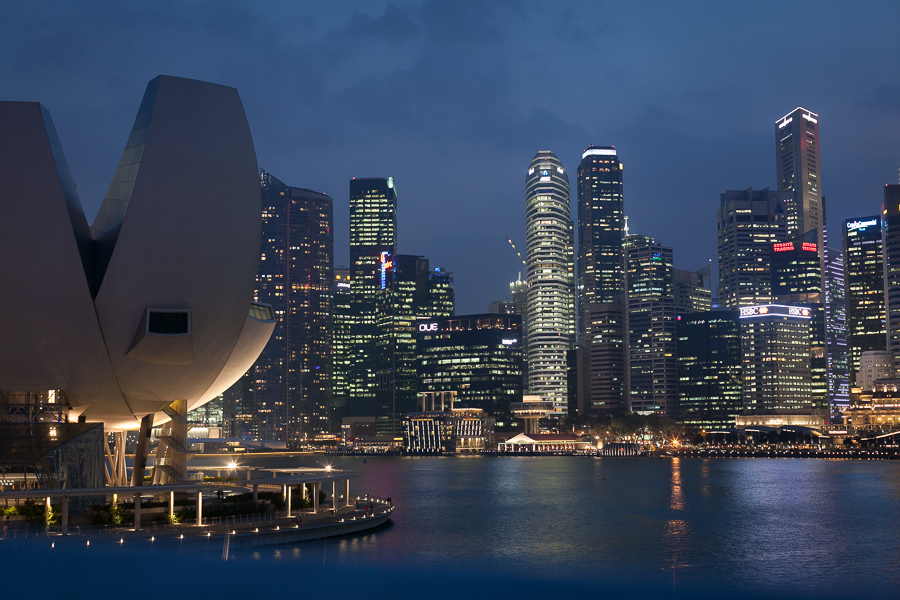
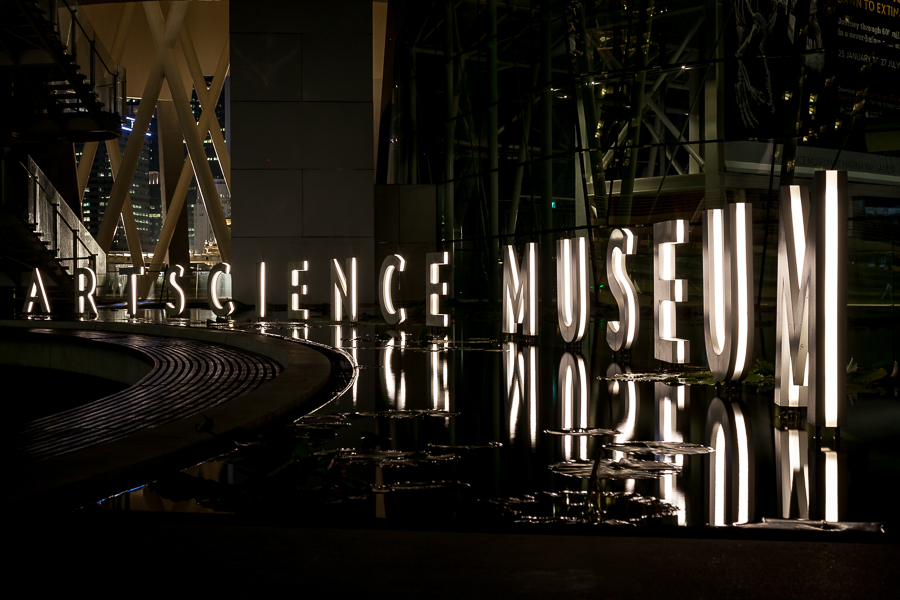
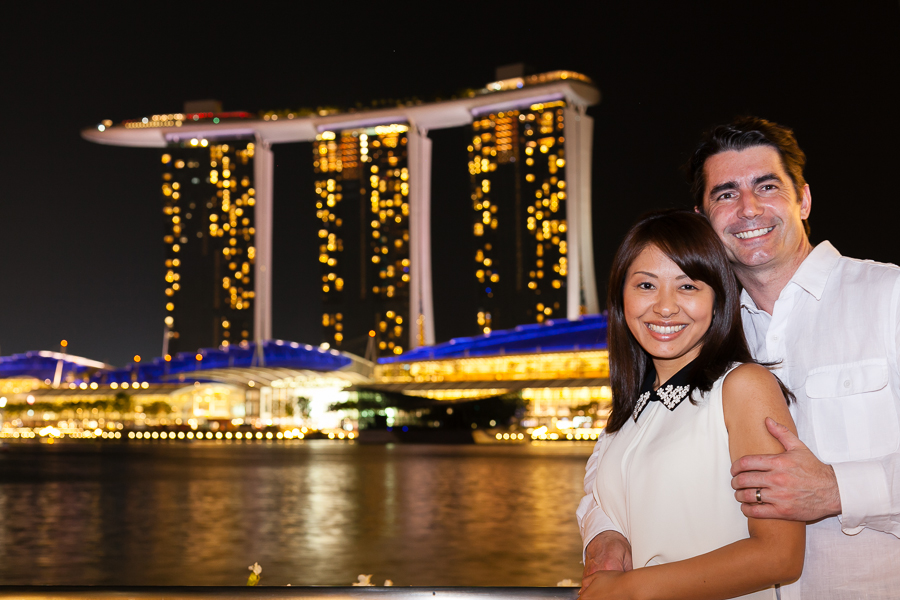
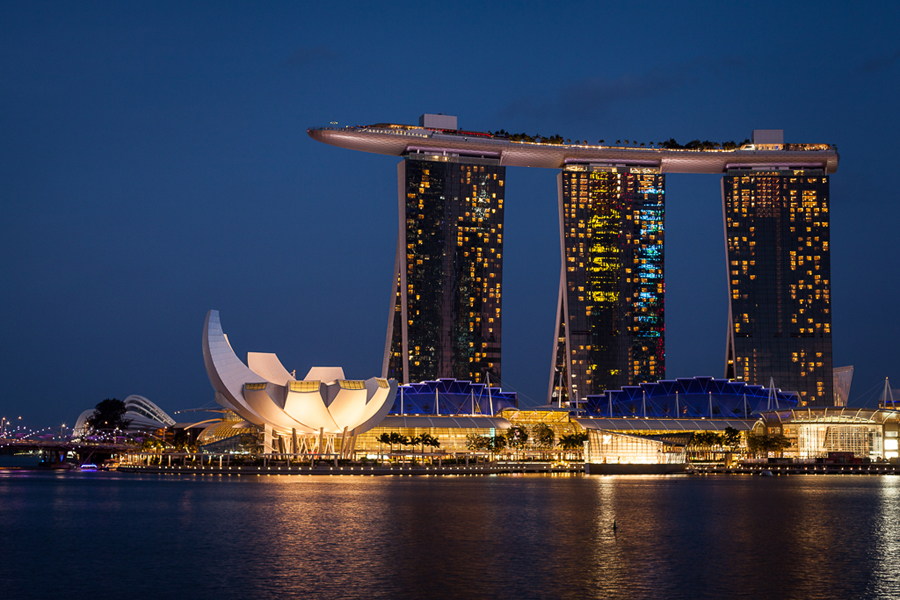
Near the Marina Bay is also the Marina Bay Sands Hotel, pictured at the top of this story, as well as a very posh mall and the Science Museum, which is the white flower bud type structure below.

The food

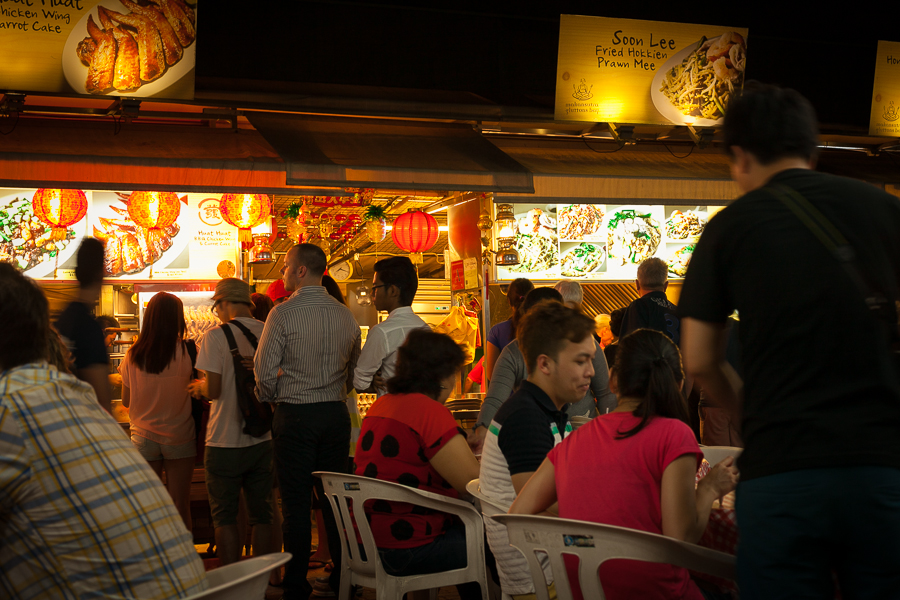
The Lonely Planet guidebook for Singapore says that the hawker food is one of the top attractions of Singapore, because of the full variety of native cuisine, but to us it wasn’t so good and Kaori and I only went to one place. Hawker food means an outdoor food court with communal dining.

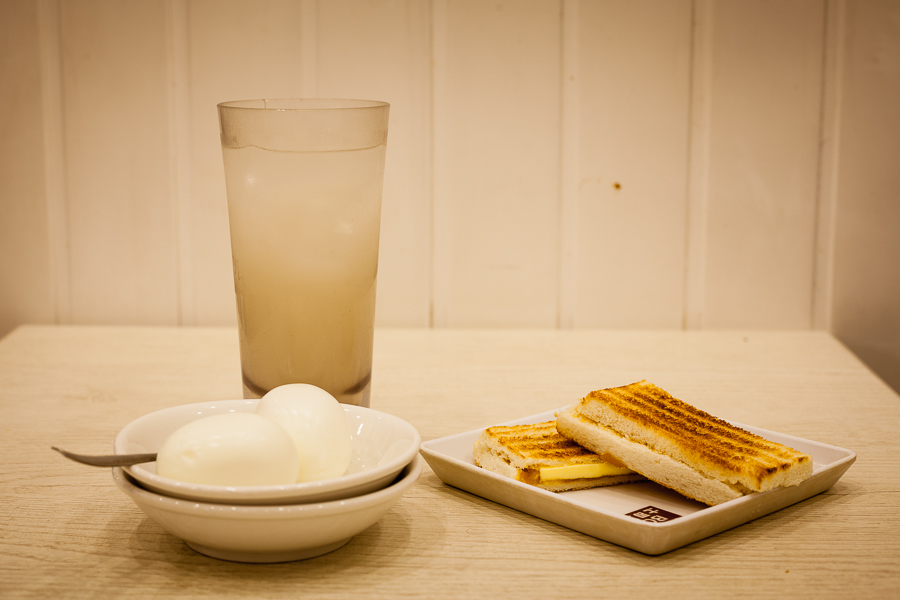
What I really did like was the “Toast Box” cafes that had British-influenced food, such as this meal of barley water, boiled eggs, and butter and pineapple jam toast sandwiches. It was a good, cheap snack.

The end

Kaori and I finally managed to get some time together the last day that we were there. We were joined by Jennifer at the Marina Bay mall for lunch and a couple of hours of browsing the goodies at LV etc. Kaori and I then had a lovely relaxing meal by the bay and took our time with coffee and dessert while lounging outside on soft chairs and watching the laser show. It was a wonderful way to end our trip to Singapore.

Read more
Older Posts Newer Posts